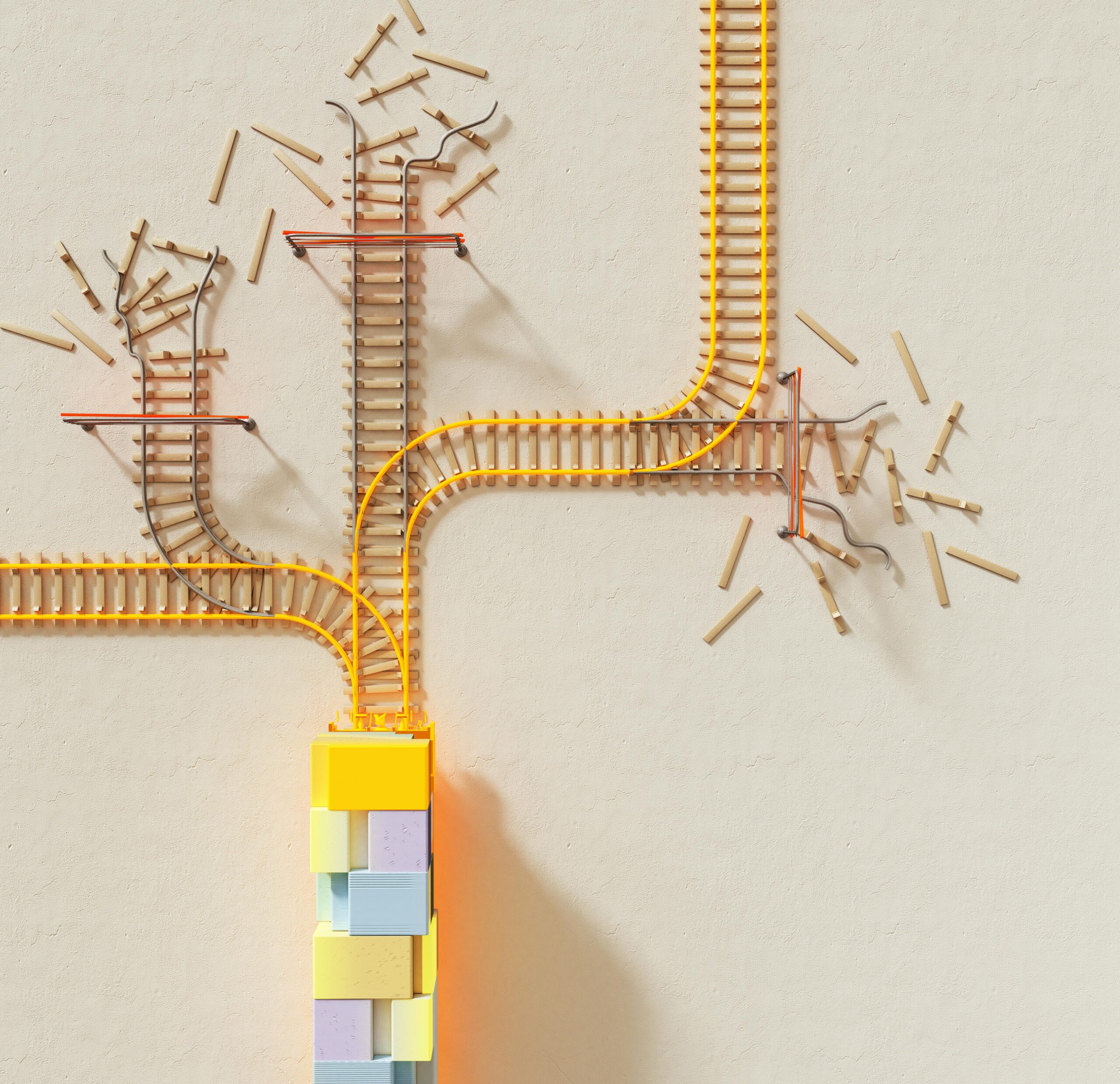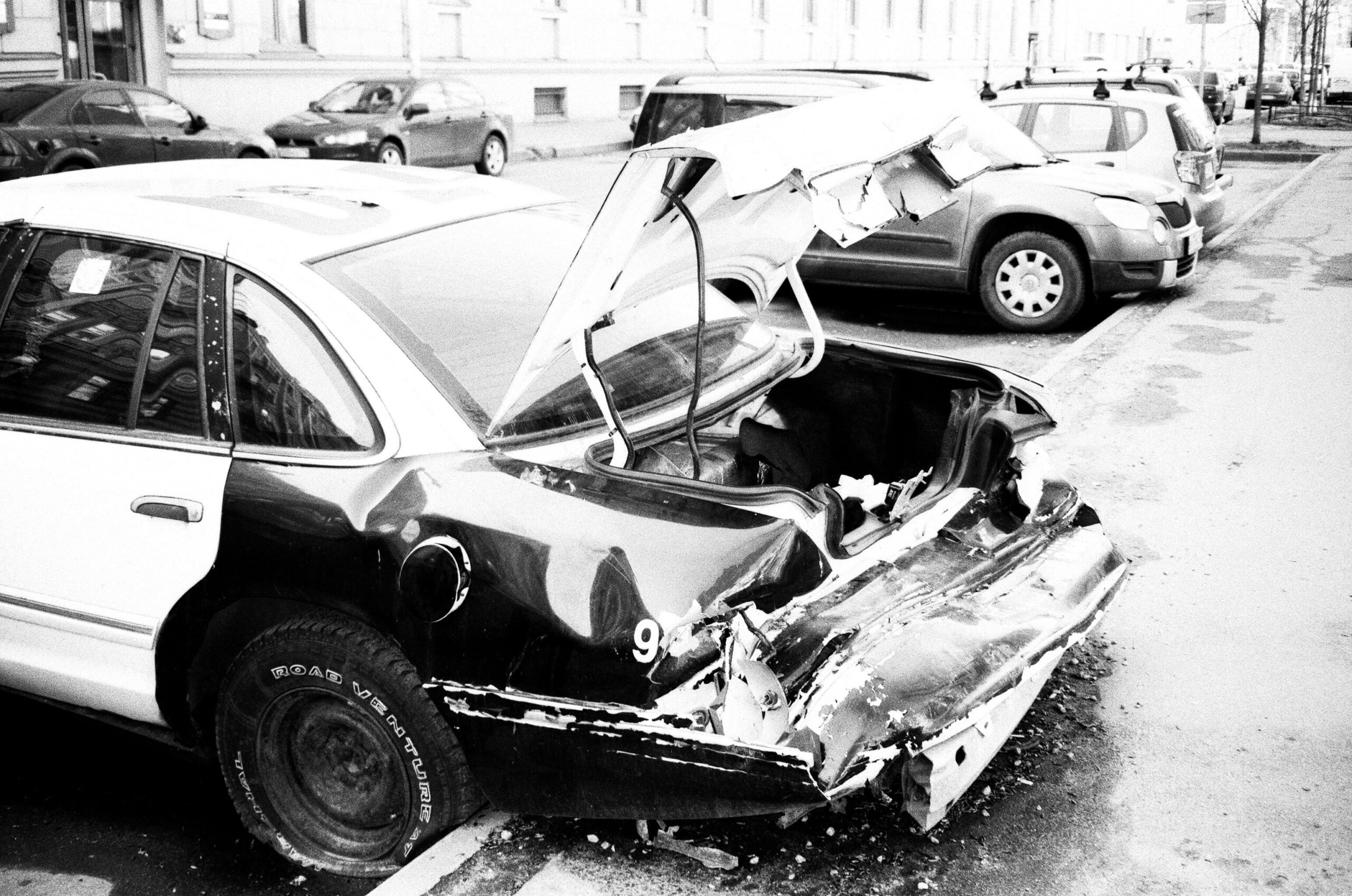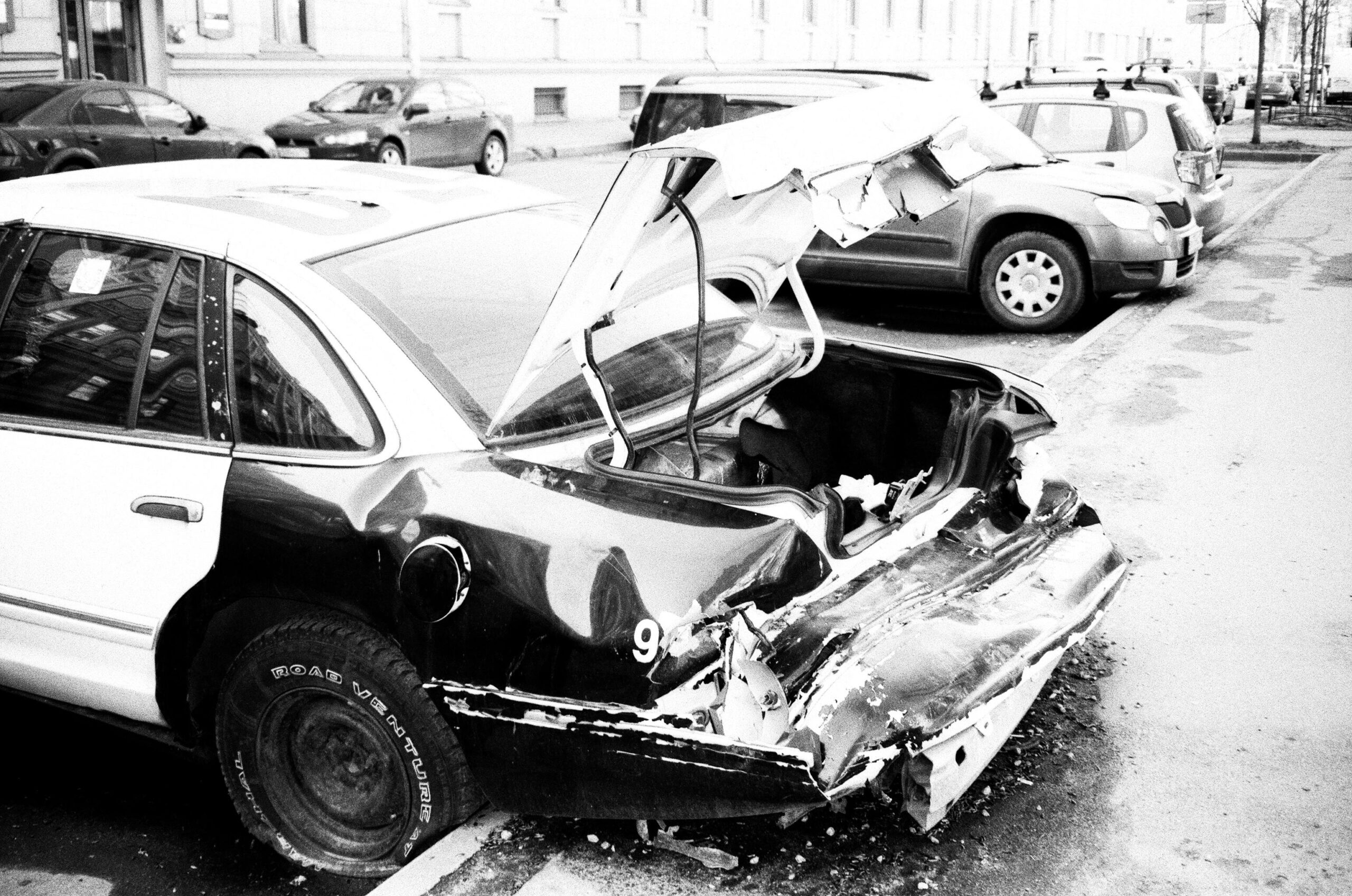
Emergency descent systems are critical safety mechanisms designed to protect lives when unexpected situations arise, making rigorous simulation and testing essential for operational readiness.

🚨 Understanding the Critical Role of Emergency Descent Systems
Emergency descent systems represent one of the most crucial safety features across multiple industries, from aviation and high-rise buildings to offshore platforms and industrial facilities. These systems serve as the last line of defense when conventional evacuation routes become compromised or inaccessible. The complexity of modern emergency descent technology demands comprehensive simulation protocols to ensure every component functions flawlessly when seconds count.
The consequence of system failure during an emergency can be catastrophic, making preparation and testing non-negotiable aspects of safety management. Organizations that prioritize emergency descent system simulation demonstrate their commitment to protecting human life while maintaining regulatory compliance and operational excellence.
Modern emergency descent systems encompass various technologies including evacuation slides, controlled descent devices, emergency escape systems, and rapid decompression protocols in aviation. Each system requires specialized knowledge, regular maintenance, and realistic simulation exercises to guarantee readiness.
🏗️ Types of Emergency Descent Systems Across Industries
Different environments require specialized emergency descent solutions tailored to specific hazards and operational contexts. Understanding these variations helps organizations implement appropriate simulation strategies.
Aviation Emergency Descent Protocols
Aircraft emergency descent procedures involve rapid altitude reduction when cabin pressurization fails or other critical situations emerge. Pilots must execute precise maneuvers while managing oxygen systems, passenger safety, and communication protocols. Simulation training for aviation professionals includes full-motion simulators that replicate cabin pressure loss, structural emergencies, and various failure scenarios.
Modern flight simulators incorporate realistic environmental conditions, system failures, and passenger cabin dynamics to prepare crews for every conceivable emergency. These sophisticated training environments allow pilots to experience the physiological and psychological pressures of emergency descents without actual risk.
High-Rise Building Evacuation Systems
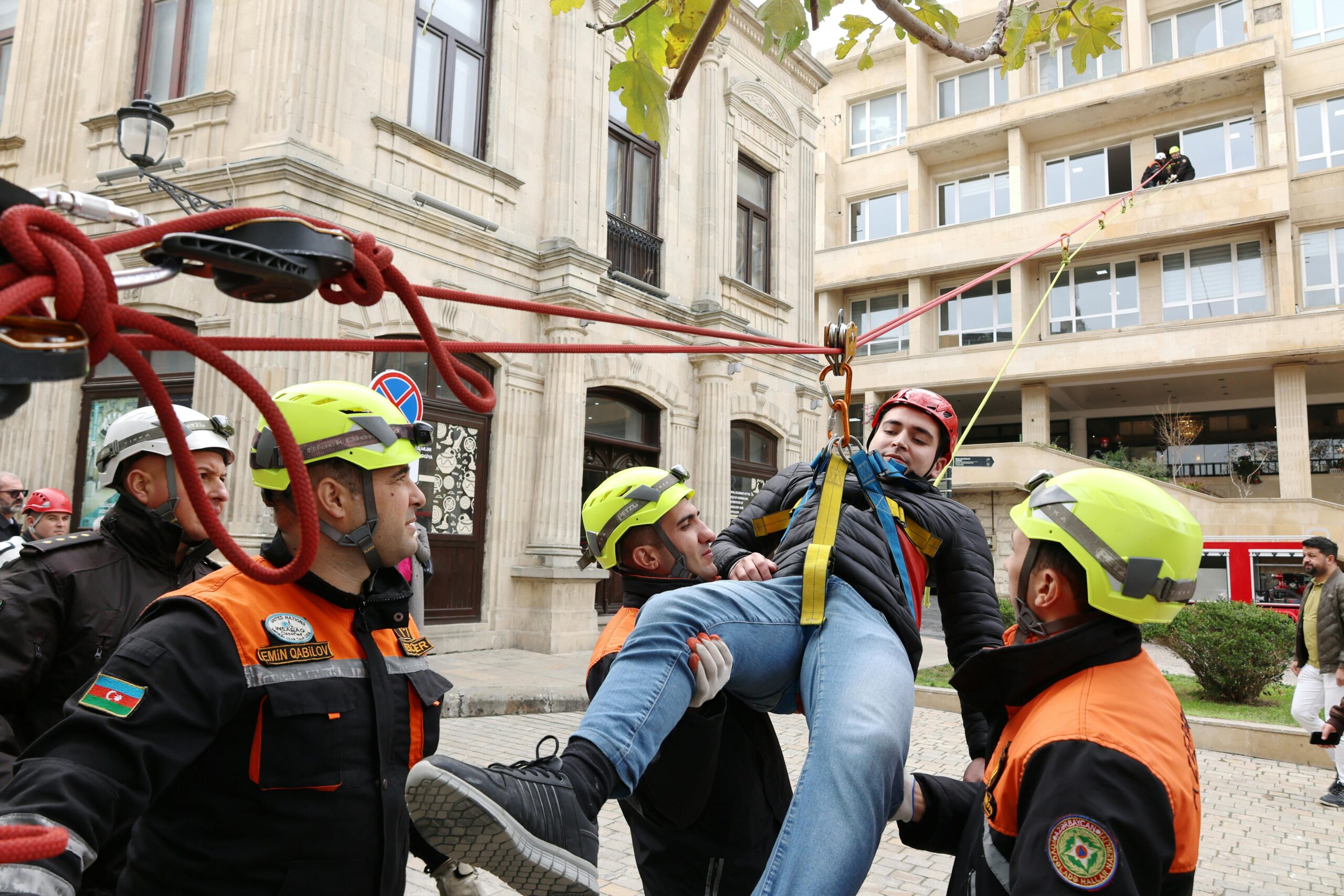
Skyscrapers and tall structures employ controlled descent devices, evacuation chairs, and external rescue systems for emergency egress. These mechanical solutions allow individuals to descend safely when stairwells become blocked or disabled persons require assistance. Simulation exercises in these environments must account for smoke conditions, power failures, and the psychological stress of height-related emergencies.
Building managers conduct regular drills using actual descent equipment to familiarize occupants with procedures and identify potential bottlenecks in evacuation plans. These practical exercises reveal system limitations and human factors that theoretical planning might overlook.
Industrial and Offshore Platforms
Oil rigs, wind turbines, and industrial towers utilize specialized descent systems including escape chutes, controlled descent devices, and emergency lowering systems. These environments present unique challenges such as weather exposure, limited escape routes, and the presence of hazardous materials. Simulation training for these facilities incorporates environmental variables and equipment-specific protocols.
🎯 The Science Behind Effective Emergency Descent Simulation
Creating realistic emergency descent simulations requires understanding human behavior under stress, equipment performance parameters, and environmental factors that influence outcomes. Effective simulation programs balance realism with safety while providing measurable learning outcomes.
Psychological Preparation Through Simulation
Research consistently demonstrates that individuals perform better during actual emergencies when they have experienced similar situations through realistic simulation. The brain forms neural pathways during simulated stress that activate during real crises, reducing panic and improving decision-making speed.
Advanced simulation programs incorporate unexpected variables, time pressure, and sensory elements like reduced visibility or simulated smoke to trigger authentic stress responses. This approach builds mental resilience and procedural memory that automatic responses can draw upon during genuine emergencies.
Technical Fidelity in Simulation Design
High-fidelity simulations replicate equipment behavior, environmental conditions, and system interactions with precision. For aviation emergency descents, this means accurate representation of altitude changes, oxygen availability, and aircraft handling characteristics. Building evacuation simulations must recreate the physical experience of using descent devices under realistic load conditions.
The investment in high-quality simulation equipment pays dividends through improved competency, identified system weaknesses, and enhanced confidence among personnel responsible for emergency operations. Organizations that compromise on simulation fidelity risk discovering equipment or procedural failures during actual emergencies.
📋 Designing Comprehensive Simulation Programs
Effective emergency descent simulation programs follow structured methodologies that ensure consistent training quality and measurable outcomes. These programs evolve continuously based on incident data, technological advances, and regulatory updates.
Assessment and Gap Analysis
Before implementing simulation exercises, organizations must conduct thorough assessments of current capabilities, equipment condition, and personnel competency levels. This baseline evaluation identifies specific areas requiring focused training attention and helps establish measurable improvement objectives.
Gap analysis reveals discrepancies between current performance and required standards, guiding resource allocation and training priorities. Documentation of these assessments creates accountability and tracks progress over time.
Scenario Development and Progression
Simulation scenarios should progress from basic procedures to complex multi-variable situations that challenge participants appropriately. Initial exercises focus on fundamental skills and equipment familiarization, gradually introducing complications like equipment malfunctions, communication breakdowns, or injured personnel.
Scenario libraries should include historical incidents, near-miss events, and theoretically possible situations identified through risk assessment. This comprehensive approach ensures training addresses both common occurrences and rare but high-consequence events.
Evaluation Metrics and Performance Standards
Objective measurement criteria transform simulation exercises from mere practice sessions into valuable assessment tools. Performance metrics might include response time, procedural accuracy, communication effectiveness, and decision quality under pressure.
Establishing clear standards allows organizations to certify personnel competency and identify individuals requiring additional training. These metrics also provide data for continuous program improvement and regulatory compliance documentation.
🔧 Technology Enhancing Emergency Descent Training
Contemporary simulation technology offers unprecedented realism and training effectiveness through virtual reality, augmented reality, and sophisticated physical simulators. These tools democratize access to high-quality emergency training while reducing costs and risks associated with live exercises.
Virtual Reality Immersive Experiences
VR technology places trainees inside realistic emergency scenarios without physical danger or expensive equipment setup. Users can experience the visual, auditory, and procedural aspects of emergency descents repeatedly until competency develops. Virtual environments allow instant scenario reset and variation, maximizing training time efficiency.
Modern VR systems track user performance metrics automatically, providing immediate feedback and objective competency assessment. This technology proves particularly valuable for situations too dangerous or expensive to recreate physically, such as aircraft decompression or high-altitude rescue scenarios.
Augmented Reality Procedural Guidance
AR systems overlay instructional information onto real equipment and environments, guiding users through complex emergency procedures step-by-step. This technology bridges the gap between classroom learning and practical application, supporting just-in-time training and refresher exercises.
Maintenance personnel use AR to visualize internal system components and verify proper emergency equipment installation. During training exercises, AR provides real-time feedback on technique and procedure adherence without interrupting the exercise flow.
Physical Simulation Infrastructure
Despite digital advances, physical simulation facilities remain essential for developing muscle memory and experiencing actual equipment behavior. Full-scale mock-ups of aircraft cabins, building facades with descent systems, and offshore platform structures provide irreplaceable training value.
These facilities incorporate movable components, environmental control systems, and realistic materials to replicate genuine emergency conditions. The combination of physical infrastructure and digital monitoring creates comprehensive training environments that address both technical skills and human factors.
👥 Human Factors in Emergency Descent Preparedness
Technology and equipment represent only part of emergency preparedness equation. Human behavior, decision-making under stress, and teamwork dynamics critically influence emergency descent outcomes. Effective simulation programs address these psychological and social dimensions systematically.
Stress Inoculation and Performance Under Pressure
Repeated exposure to simulated emergency stress builds tolerance and improves performance during actual crises. Training programs progressively increase stress levels through time constraints, unexpected complications, and realistic consequences for errors. This graduated approach prevents overwhelming participants while building genuine resilience.
Physiological monitoring during simulations provides insights into individual stress responses, helping trainers identify those requiring additional support or alternative approaches. Understanding personal stress signatures empowers individuals to recognize and manage their reactions during genuine emergencies.
Communication and Coordination Challenges
Emergency situations often involve multiple parties communicating under difficult conditions with imperfect information. Simulation exercises must recreate these communication challenges, including radio interference, language barriers, and information overload scenarios.
Effective emergency descent operations require clear command structures, standardized communication protocols, and practiced coordination among diverse team members. Simulation reveals communication breakdowns before they occur during actual emergencies, allowing procedural refinement and additional training.
📊 Measuring Simulation Program Effectiveness
Organizations investing in emergency descent simulation must demonstrate tangible value through measurable outcomes. Comprehensive evaluation frameworks assess both immediate training effectiveness and long-term safety improvements.
Leading and Lagging Indicators
Leading indicators predict future safety performance through metrics like training completion rates, simulation participation frequency, and competency assessment scores. These proactive measures help organizations identify potential weaknesses before incidents occur.
Lagging indicators measure actual outcomes including incident rates, emergency response times, and injury severity during real events. Comparing these metrics before and after simulation program implementation demonstrates concrete safety improvements and return on investment.
Continuous Improvement Cycles
Effective simulation programs incorporate feedback loops that transform lessons learned into program enhancements. After-action reviews following both simulations and actual emergencies identify improvement opportunities and validate training effectiveness.
Organizations should establish formal processes for capturing participant feedback, equipment performance data, and procedural effectiveness observations. This information drives iterative refinement that keeps simulation programs relevant and impactful.
🌐 Regulatory Requirements and Industry Standards
Emergency descent simulation exists within frameworks of regulatory requirements, industry standards, and best practices that vary by sector and jurisdiction. Compliance represents the minimum acceptable standard, while leading organizations exceed these baselines significantly.
Aviation Regulatory Frameworks
Aviation authorities worldwide mandate specific emergency descent training requirements for flight crews, including simulator time and scenario coverage. These regulations reflect decades of incident investigation and safety research, establishing proven minimum standards for pilot preparedness.
Airlines and training organizations must document simulation exercises meticulously, demonstrating compliance through detailed records and competency certifications. Regulatory audits verify training quality and adherence to approved programs.
Building and Industrial Safety Standards
Fire codes, occupational safety regulations, and industry-specific standards establish emergency preparedness requirements for buildings and industrial facilities. These standards typically mandate regular drills, equipment testing, and personnel training without always specifying simulation methodologies.
Progressive organizations interpret these requirements expansively, implementing sophisticated simulation programs that exceed minimum compliance. This approach demonstrates safety leadership while providing legal protection through documented due diligence.
🚀 Future Directions in Emergency Descent Simulation
Emerging technologies and evolving safety philosophies promise continued advancement in emergency descent simulation capabilities. Organizations that anticipate these trends position themselves as safety leaders while achieving operational advantages.
Artificial Intelligence and Adaptive Training
AI-powered simulation systems analyze individual performance patterns and automatically adjust scenario difficulty and focus areas. These intelligent training environments optimize learning efficiency by providing precisely calibrated challenges that maintain engagement without causing frustration or complacency.
Machine learning algorithms identify subtle performance indicators that predict future competency issues, enabling proactive intervention before skills degrade. This personalized approach maximizes training effectiveness while minimizing time and resource requirements.
Integrated Multi-Hazard Scenarios
Future simulation programs will increasingly combine multiple emergency types within single scenarios, reflecting the reality that disasters rarely occur in isolation. Training exercises might combine structural damage, fire, communication failures, and casualty management within integrated emergency descent situations.
This holistic approach better prepares organizations for complex real-world emergencies while revealing interdependencies between different emergency systems and procedures. Cross-functional training builds organizational resilience that compartmentalized programs cannot achieve.
💡 Building a Safety-First Organizational Culture
Ultimately, emergency descent simulation succeeds or fails based on organizational commitment to safety excellence. Technology and procedures provide tools, but culture determines whether organizations truly prioritize preparedness or merely check compliance boxes.
Leadership must consistently communicate that safety represents a core organizational value, allocating resources and time for comprehensive simulation programs. When employees observe genuine management commitment to emergency preparedness, they engage more seriously with training and maintain higher alertness levels.
Sharing lessons learned from simulations transparently, celebrating safety improvements, and recognizing individuals who demonstrate preparedness excellence reinforces positive safety culture. Organizations where safety permeates daily operations rather than existing as a separate program achieve superior emergency response capabilities.
Regular simulation exercises normalize emergency procedures, transforming them from exotic scenarios into practiced routines. This familiarity reduces panic and improves performance when unexpected situations demand immediate, effective action. The investment in realistic emergency descent simulation represents insurance against the worst outcomes, ensuring that when the unexpected occurs, trained individuals respond with competence and confidence.
Emergency preparedness remains an ongoing journey rather than a destination. As technologies evolve, threats change, and lessons emerge from incidents worldwide, simulation programs must adapt continuously. Organizations embracing this dynamic approach protect their most valuable assets—human lives—while building reputations as safety leaders in their industries.