
Descending mountains, buildings, or any vertical terrain requires strategic decision-making that can mean the difference between efficiency and exhaustion, safety and risk.

Whether you’re an outdoor enthusiast tackling alpine descents, a fitness professional optimizing training protocols, or someone navigating the metaphorical descents in business and life, understanding the nuances between passive and active descent approaches is crucial. The choice between these methodologies impacts everything from energy expenditure to joint health, from speed to control, and from immediate results to long-term sustainability.
The concept of descent optimization extends far beyond mountaineering. It applies to weight loss strategies, business downsizing, rehabilitation protocols, and even investment portfolio adjustments. Each context demands careful consideration of whether to let gravity and natural forces do the work (passive approach) or to engage muscles and conscious control throughout the process (active approach).
🎯 Understanding the Fundamental Differences
The passive descent approach relies primarily on controlled surrender to gravitational forces. In physical contexts, this means allowing your body weight to drop with minimal muscular engagement, using techniques like rappelling, glissading, or simply walking with a relaxed gait. The muscles act primarily as brakes rather than active controllers, engaging only when necessary to prevent uncontrolled acceleration.
Active descent, conversely, maintains continuous muscular engagement throughout the downward movement. Every step involves deliberate muscle contraction, particularly in the quadriceps, hamstrings, and stabilizer muscles. This approach prioritizes control, precision, and the ability to change direction or stop instantly at any moment.
The distinction becomes clearer when we examine energy systems. Passive techniques conserve energy by minimizing eccentric muscle contractions—those lengthening movements that cause significant muscle damage and soreness. Active techniques demand continuous fuel consumption but provide superior control and can actually build strength through those same eccentric contractions that passive methods avoid.
The Biomechanical Reality of Going Down
Descending creates unique biomechanical challenges that ascending doesn’t present. Your joints absorb impact forces equivalent to 2-4 times your body weight with each downward step, compared to roughly 1-1.5 times during ascent. The knees, in particular, experience tremendous shear forces as the quadriceps work eccentrically to control your descent rate.
Research published in sports medicine journals consistently shows that delayed onset muscle soreness (DOMS) occurs primarily from eccentric contractions—exactly the type dominant in descents. This explains why walking down a mountain often creates more next-day soreness than climbing up, despite feeling easier in the moment.
⚖️ When Passive Approaches Deliver Superior Results
Passive descent strategies shine in specific contexts where energy conservation trumps other factors. Long-distance hikers covering multiple mountain passes in a single day often benefit from relaxed descent techniques that preserve leg strength for the next climb. By allowing gravity to do most of the work, they conserve glycogen stores and reduce cumulative joint stress.
In rehabilitation settings, passive descent modifications help patients regain confidence and mobility without overloading healing tissues. Physical therapists frequently employ assisted descent techniques using railings, poles, or even mechanical assistance to reduce eccentric loading while maintaining movement patterns.
Financial contexts reveal similar patterns. During market downturns, passive investment strategies that maintain predetermined asset allocations often outperform active attempts to time the bottom. The passive approach reduces transaction costs, avoids emotional decision-making, and capitalizes on long-term market recovery without the stress of constant monitoring.
The Energy Efficiency Equation
Metabolic studies demonstrate that passive descent techniques can reduce energy expenditure by 25-40% compared to actively controlled descents over the same terrain. For ultra-endurance athletes, this difference becomes strategically significant. A runner completing a 100-mile mountain race might save enough energy through efficient descent techniques to maintain pace during the final challenging miles.
However, this efficiency comes with tradeoffs. The reduced muscular engagement means less training stimulus, potentially limiting strength adaptations that could improve future performance. It’s a classic case of optimizing for immediate results versus long-term development.
💪 The Active Approach Advantage
Active descent methodologies excel when control, precision, and training effects are priorities. Technical mountain descents over loose scree, steep trails, or uneven terrain demand active engagement. Each foot placement requires assessment, adjustment, and muscular stabilization to prevent slips and maintain balance.
Athletes training for competitions often emphasize active descent techniques specifically because of the strength-building effects. Trail runners, for instance, use downhill intervals as training tools, knowing that the eccentric loading strengthens muscles, tendons, and bones while improving neuromuscular coordination.
The active approach also provides superior safety margins. With muscles engaged and ready, you can respond instantly to unexpected obstacles, loose rocks, or changes in terrain gradient. This responsiveness becomes critical in technical environments where a passive, relaxed approach could lead to loss of control.
Building Resilience Through Resistance
Exercise physiologists recognize eccentric training—the cornerstone of active descents—as one of the most effective methods for building tendon strength and injury resilience. The controlled lengthening of muscle fibers under load creates specific adaptations that concentric (shortening) contractions don’t produce.
Studies on ski patrol professionals and mountain guides show that those who regularly practice active descent techniques develop significantly stronger knee stabilizers and experience fewer overuse injuries compared to recreational users who descend passively. The active approach essentially turns every descent into a training session.
🔄 Context-Specific Decision Framework
Optimizing your descent approach requires analyzing multiple variables simultaneously. Distance, terrain technicality, weather conditions, personal fitness level, time constraints, and ultimate goals all influence the ideal strategy. No single approach works universally.
For a short descent after a long climb, passive techniques help you recover while still making progress. For a morning training session focused on leg strengthening, active controlled descents provide the stimulus you’re seeking. During a competitive race, you might blend both approaches—passive on smooth sections to conserve energy, active on technical portions requiring precision.
The Hybrid Model for Versatile Performance
Elite mountain athletes rarely commit entirely to one approach. Instead, they develop the skill to shift fluidly between passive and active modes based on real-time assessment. This adaptive strategy maximizes efficiency without sacrificing safety or training benefits.
A practical hybrid approach involves using primarily passive techniques with periodic active engagement. For example, descending in a relaxed state but actively engaging stabilizer muscles every 5-10 steps maintains some training effect while conserving overall energy. This interval-style approach provides benefits from both methodologies.
🏔️ Technical Applications Across Disciplines
In mountaineering, the passive-active spectrum manifests in specific techniques. Glissading—sliding down snow slopes in a seated or standing position—represents extreme passive descent. Plunge-stepping—driving your heel into soft snow while maintaining muscular control—sits in the middle. Carefully placing each foot on technical rock scrambles exemplifies fully active descent.
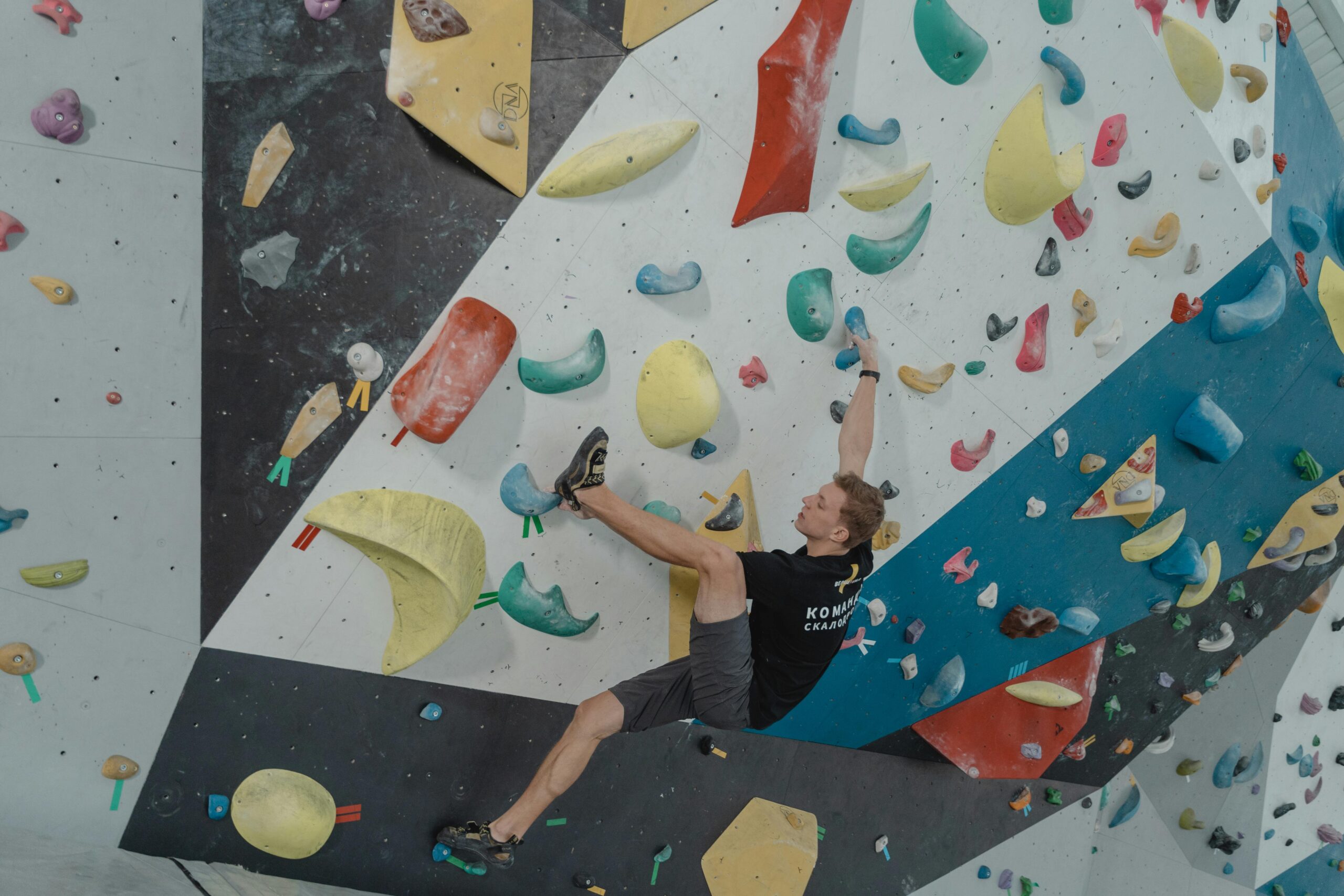
Rock climbers lowering from routes face similar choices. A passive lower simply weights the rope and relaxes, allowing the belayer to control everything. An active descent maintains foot contact with the wall, controlling rotation and protecting against swinging into obstacles. Experienced climbers choose based on wall angle, overhang presence, and environmental factors.
Skiers navigate this spectrum constantly. Straight runs down groomed slopes with relaxed legs represent passive technique. Tight turns on steep moguls with constant muscular engagement exemplify active control. Most recreational skiing blends both approaches, though instructors often emphasize more active engagement to build skills and control.
Beyond Physical Terrain: Business and Life Applications
The passive versus active framework applies surprisingly well to non-physical descents. When businesses need to reduce costs during economic contractions, they can choose passive approaches—across-the-board cuts requiring minimal analysis—or active strategies involving detailed evaluation of each expenditure’s return on investment.
Passive cost-cutting preserves management energy and implements quickly but often eliminates valuable investments along with waste. Active approaches demand more effort upfront but optimize long-term organizational health by strategically preserving high-value activities while eliminating true inefficiencies.
Weight loss provides another parallel. Passive approaches like extreme calorie restriction rely primarily on creating an energy deficit without much attention to composition or sustainability. Active approaches involving strength training, protein optimization, and behavioral modification require more engagement but produce better body composition and sustainable results.
⚕️ Health Considerations and Injury Prevention
Joint health dramatically influences which approach serves you best. Individuals with existing knee arthritis, previous ACL injuries, or patellar tendinitis often experience significant pain during active descents. The constant eccentric loading aggravates inflamed tissues and accelerates cartilage wear in compromised joints.
For these populations, passive techniques become medical necessities rather than optional strategies. Using trekking poles to redistribute weight, taking smaller steps to reduce impact forces, and choosing switchback trails instead of direct descents all represent passive modifications that protect vulnerable joints.
Paradoxically, completely avoiding active descent can lead to progressive weakness in the very muscles that protect those joints. Physical therapists often prescribe gradually progressive active descent protocols to rebuild strength around compromised joints, starting with very gentle grades and minimal durations, then slowly increasing demands as tissues adapt.
Recovery and Adaptation Timelines
Understanding recovery demands helps optimize approach selection. Active descents create significant muscle damage requiring 48-72 hours for full recovery in untrained individuals. Athletes must account for this when planning training schedules—a hard descent workout on Tuesday might compromise Thursday’s intended high-intensity session.
Passive techniques generate minimal muscle damage and much shorter recovery windows. This makes them valuable when you need to maintain movement without accumulating fatigue—during multi-day hiking trips, for example, or when dealing with accumulated training load that’s approaching overtraining territory.
📊 Measuring and Tracking Your Descent Performance
Modern technology enables precise measurement of descent efficiency. GPS watches with altimeters track vertical descent rates, allowing you to quantify how different techniques affect your speed. Heart rate monitors reveal the cardiovascular demands of various approaches—active descents typically maintain higher heart rates despite feeling more controlled.
Power meters, increasingly common among trail runners and mountain bikers, measure actual work output during descents. This data reveals that active control requires substantial energy expenditure even though you’re traveling downward. The numbers help athletes make data-driven decisions about when to push actively versus when to recover passively.
Video analysis provides qualitative feedback on technique. Recording yourself descending from multiple angles reveals unconscious compensation patterns, inefficient movements, or opportunities to better blend passive and active elements. Many coaching apps now incorporate this technology to provide remote technique feedback.
🎓 Training Protocols for Mastering Both Approaches
Developing proficiency in both passive and active descent requires deliberate practice. Many athletes naturally default to one approach based on body type, background, and comfort level. Building versatility expands your tactical options and optimizes results across varying conditions.
For passive technique development, practice relaxation while maintaining postural integrity. Start on gentle slopes where consequences of errors are minimal. Focus on breathing deeply, releasing unnecessary muscle tension, and trusting your basic balance systems. Gradually progress to steeper terrain as confidence builds.
Active technique training emphasizes eccentric strength and neuromuscular control. Hill repetitions focusing specifically on the descent phase build relevant strength. Start with shorter descents to avoid excessive soreness, then progressively increase volume over weeks. Single-leg exercises like step-downs train the specific muscle actions used during active descents.
Periodization and Strategic Planning
Competitive athletes periodize their descent training just as they do other components. During base-building phases, emphasis on active descents builds foundational strength. Pre-competition phases might emphasize efficiency through passive techniques while maintaining the strength built earlier. Competition periods demand tactical flexibility to employ whichever approach the immediate situation requires.
Recreational users benefit from seasonal variation. Winter might emphasize active indoor descent training using stairs or treadmill decline settings. Spring and fall, with moderate temperatures, provide ideal conditions for outdoor descent practice. Summer’s heat might favor efficiency-focused passive techniques that minimize metabolic heat production.
🌟 Integrating Wisdom Into Your Descent Strategy
Optimal descent strategy ultimately comes from self-knowledge developed through experience. Understanding your body’s signals, recognizing fatigue patterns, and honestly assessing your current capabilities enables real-time decision-making that no general guideline can replace.
Start by establishing baseline capabilities in controlled environments. How do your knees feel after active descents of various durations? How much does passive technique actually conserve energy for you specifically? Individual variation in muscle fiber type, joint structure, and movement efficiency means your optimal approach might differ substantially from general recommendations.
Document what works. Simple training logs noting descent approach, terrain type, duration, and how you felt both during and 24-48 hours afterward create a personalized database of effective strategies. Patterns emerge over time, revealing which approaches serve you best in specific contexts.
The journey toward descent mastery never truly ends. Terrain changes, your body adapts, and new techniques emerge. Maintaining a growth mindset—seeing each descent as an opportunity to refine your approach rather than just a means to reach the bottom—transforms a potentially mundane activity into an ongoing optimization project that yields compounding benefits over years of practice.
Whether you’re navigating mountain trails, managing business challenges, or pursuing any goal that involves strategic descent, remember that neither passive nor active approaches hold universal superiority. Context determines optimal strategy. Your ability to assess that context accurately, understand your current capabilities honestly, and select the appropriate approach flexibly will ultimately determine how effectively you maximize your descent toward whatever objectives you’re pursuing. The wisdom lies not in choosing one approach permanently, but in developing the versatility to employ both strategically.