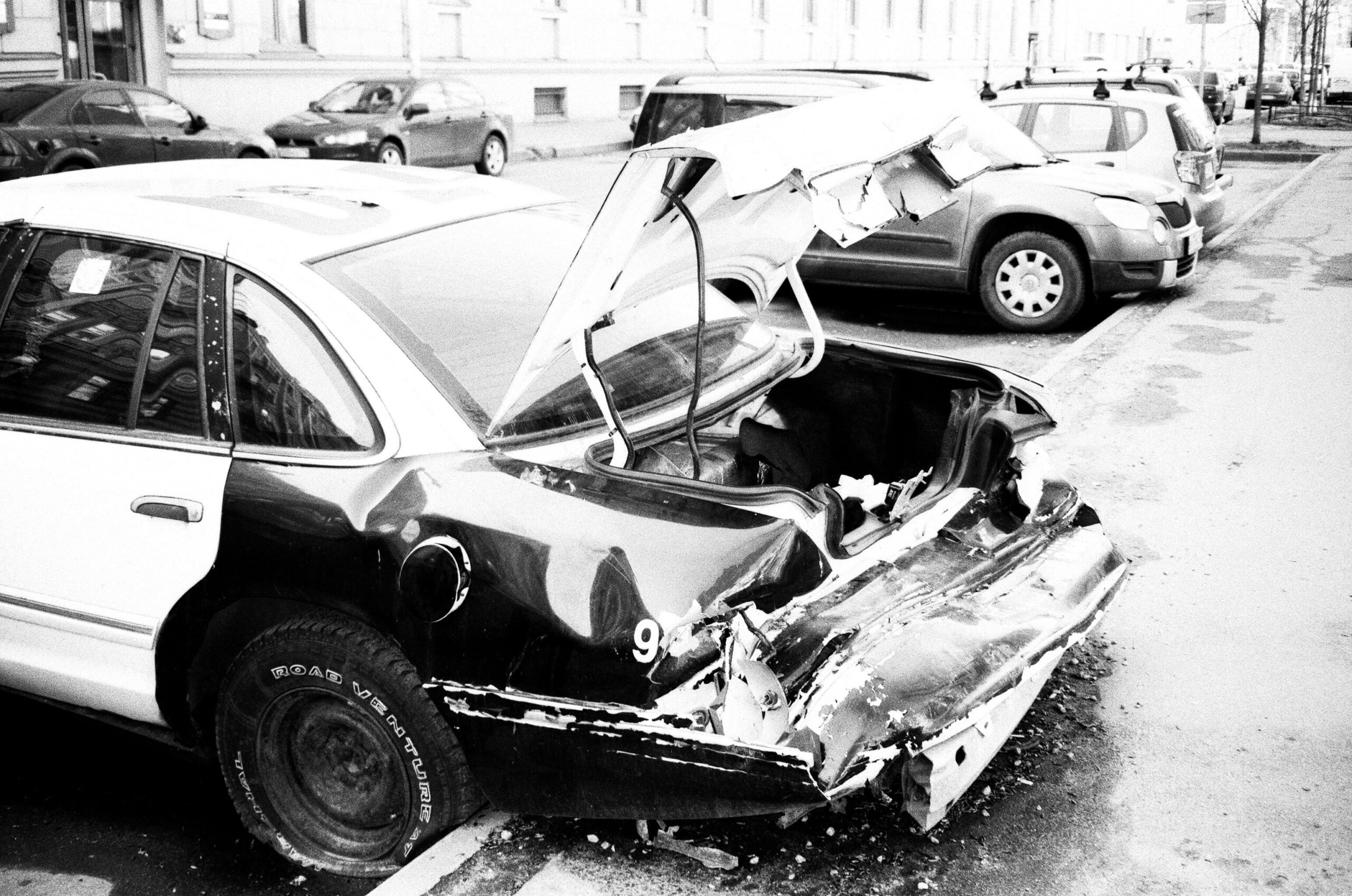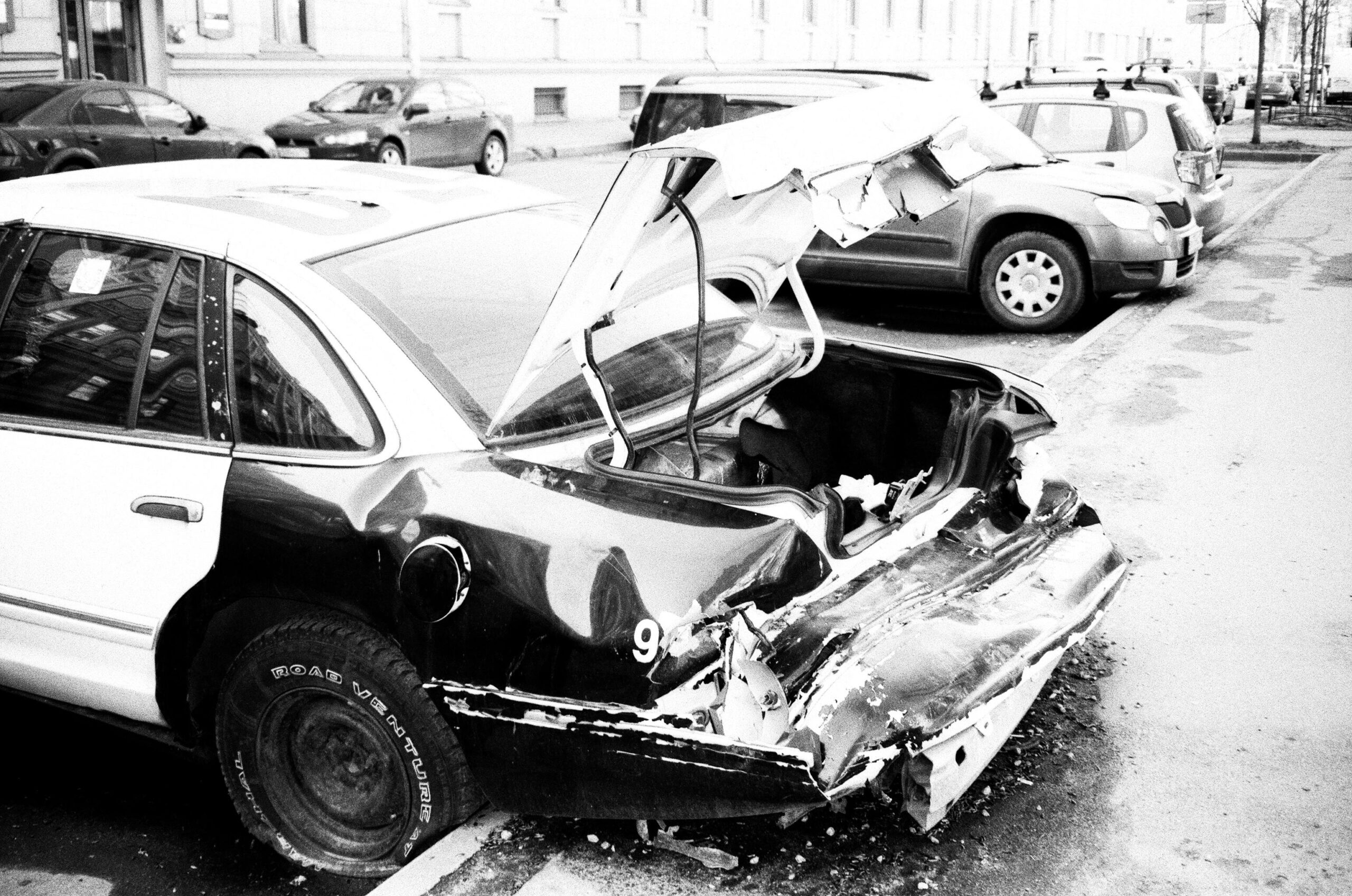
Collision avoidance technology has evolved beyond reactive systems, now embracing predictive intelligence that anticipates danger before it materializes, fundamentally transforming road safety dynamics.

🚗 The Revolution in Automotive Safety Technology
Modern vehicles are becoming increasingly intelligent, equipped with sophisticated sensors and artificial intelligence systems capable of predicting human behavior patterns. This technological leap represents a paradigm shift from traditional collision avoidance systems that merely react to immediate threats. Today’s predictive systems analyze driver behavior, pedestrian movement patterns, and surrounding vehicle trajectories to forecast potential collision scenarios seconds before they occur.
The integration of machine learning algorithms with real-time sensor data has created a new generation of safety systems. These systems don’t just detect obstacles; they understand behavioral patterns, recognize intentions, and calculate probability distributions for various outcomes. This predictive capability transforms vehicles into proactive guardians rather than passive observers of their environment.
Understanding Behavioral Prediction Algorithms
At the core of collision risk prevention lies sophisticated behavioral prediction algorithms. These computational models analyze vast amounts of data from multiple sources including cameras, radar systems, lidar sensors, and vehicle-to-vehicle communication networks. The algorithms process information about velocity, acceleration patterns, steering inputs, and environmental conditions to create predictive models of future movements.
The technology operates on several fundamental principles. First, it recognizes that human behavior follows discernible patterns despite apparent randomness. Pedestrians typically slow down before crossing streets, drivers tend to check mirrors before changing lanes, and cyclists often signal their intentions through body language. By identifying these micro-behaviors, prediction systems can anticipate actions before they fully materialize.
Machine Learning Models Behind the Predictions
Neural networks trained on millions of hours of driving data form the foundation of behavioral prediction systems. These networks learn to identify subtle cues that precede specific actions. For instance, a slight turn of a pedestrian’s head toward the street might indicate an intention to cross, even before the first step is taken.
Deep learning architectures, particularly recurrent neural networks and long short-term memory networks, excel at processing sequential data and temporal patterns. These models can track the evolution of a situation over time, understanding that current behavior provides context for predicting future actions. The technology continuously refines its predictions based on new observations, creating increasingly accurate forecasts as more data becomes available.
🎯 Key Components of Predictive Collision Prevention Systems
Comprehensive collision prevention requires multiple integrated components working in harmony. Each element contributes unique capabilities to the overall predictive framework:
- Sensor Fusion Technology: Combines data from cameras, radar, ultrasonic sensors, and lidar to create a complete environmental picture with redundancy and accuracy.
- Behavioral Classification Systems: Categorizes observed objects and their movement patterns into recognizable behavior types for faster prediction processing.
- Trajectory Prediction Engines: Calculate multiple possible future paths for each detected object, assigning probability scores to different scenarios.
- Risk Assessment Algorithms: Evaluate the collision likelihood for each predicted trajectory and determine appropriate intervention levels.
- Decision Making Systems: Select optimal responses from available actions including warnings, brake assistance, or autonomous emergency braking.
- Human-Machine Interface: Communicates predictions and interventions to drivers through visual, auditory, and haptic feedback channels.
Real-World Applications Transforming Road Safety
Predictive collision prevention technology manifests in numerous practical applications currently deployed in modern vehicles. Adaptive cruise control systems now predict when vehicles ahead might brake suddenly based on traffic flow patterns and driver behavior indicators. Lane keeping assistance has evolved to anticipate unintentional lane departures before they occur by monitoring driver attentiveness and steering patterns.
Intersection collision prevention represents one of the most challenging and valuable applications. These systems predict when crossing vehicles, cyclists, or pedestrians might enter the vehicle’s path at intersections. By analyzing approach speeds, signal compliance patterns, and attention indicators, the technology can warn drivers or initiate emergency braking several seconds before a collision would otherwise occur.
Pedestrian and Cyclist Protection Advances
Vulnerable road users benefit significantly from behavioral prediction technology. Advanced systems now recognize not just the presence of pedestrians but their intentions. A person standing at a crosswalk looking at their phone presents a different risk profile than someone actively watching traffic and preparing to cross.
The technology analyzes posture, head orientation, walking speed changes, and contextual factors like crosswalk proximity to predict pedestrian behavior. Similarly, cyclist prediction systems track body positioning, head movements, and riding patterns to anticipate lane changes, turns, or sudden stops. This nuanced understanding enables more sophisticated and timely interventions.
📊 The Data Driving Prediction Accuracy
The effectiveness of behavioral prediction systems depends heavily on the quality and quantity of training data. Automotive manufacturers and technology companies have invested billions in collecting diverse driving scenarios from around the world. This data encompasses various weather conditions, lighting situations, road types, and traffic densities to ensure systems perform reliably across different contexts.
| Data Category | Purpose | Impact on Accuracy |
|---|---|---|
| Historical Collision Data | Identifies common pre-collision patterns | High – establishes baseline risk scenarios |
| Normal Driving Behavior | Creates context for anomaly detection | Critical – differentiates safe from dangerous behavior |
| Environmental Conditions | Adjusts predictions for weather and visibility | Medium – ensures consistent performance across conditions |
| Regional Driving Patterns | Accounts for cultural and regional differences | Medium – improves localized prediction accuracy |
| Edge Cases and Rare Events | Handles unusual situations effectively | High – prevents system failures in unexpected scenarios |
Overcoming Technical and Practical Challenges
Despite remarkable progress, behavioral prediction for collision prevention faces significant challenges. Prediction accuracy decreases as the time horizon extends. While systems can predict behavior two to three seconds ahead with reasonable confidence, forecasting five or ten seconds into the future becomes increasingly uncertain due to the multiplicative effects of small errors and changing circumstances.
Computational requirements present another significant obstacle. Real-time prediction demands enormous processing power, requiring specialized hardware and optimized algorithms. Systems must analyze multiple data streams simultaneously, generate predictions for numerous objects, and update forecasts continuously, all while maintaining response times measured in milliseconds.
Ethical and Legal Considerations
Predictive collision prevention technology raises complex ethical questions. When a system predicts conflicting risks, how should it prioritize? Should algorithms make assumptions about human behavior based on demographic characteristics, or would this introduce unacceptable bias? These questions lack simple answers but require careful consideration as technology becomes more autonomous.
Legal frameworks struggle to keep pace with technological capabilities. Questions about liability when predictive systems fail or make incorrect decisions remain partially unresolved in many jurisdictions. As vehicles become more autonomous and reliant on behavioral prediction, clarifying these legal ambiguities becomes increasingly urgent.
🔮 Future Developments on the Horizon
The next generation of behavioral prediction technology promises even more sophisticated capabilities. Vehicle-to-everything communication will enable cars to share behavioral predictions with each other and infrastructure systems, creating collective intelligence networks that surpass individual vehicle capabilities. A car detecting erratic behavior from a distant vehicle could broadcast warnings to all nearby vehicles, enabling earlier and more coordinated responses.
Emotion recognition technology may soon enhance prediction accuracy by detecting driver stress, distraction, or impairment through facial analysis and physiological monitoring. Understanding emotional states provides valuable context for predicting behavior, as stressed or distracted drivers exhibit different patterns than alert, calm drivers.
Integration with Smart City Infrastructure
Future collision prevention systems will integrate deeply with smart city infrastructure. Traffic signals, road sensors, and surveillance systems will feed data into prediction networks, creating comprehensive situational awareness impossible for individual vehicles alone. This infrastructure integration will enable prediction of complex scenarios involving multiple actors across larger geographic areas.
Pedestrian smartphones could eventually communicate with vehicle systems, sharing location and movement data to improve prediction accuracy. While privacy concerns require careful management, such integration could dramatically reduce collisions involving vulnerable road users.
Implementation Strategies for Maximum Benefit
Organizations and municipalities seeking to leverage behavioral prediction for collision prevention should adopt strategic implementation approaches. Starting with high-risk scenarios like intersection collisions and pedestrian crossings provides immediate safety benefits while building system experience and user trust.
Driver education remains crucial for effective technology adoption. Users must understand system capabilities and limitations to avoid over-reliance or misuse. Clear communication about what prediction systems can and cannot do helps drivers maintain appropriate situational awareness while benefiting from technological assistance.
Balancing Automation with Human Control
The optimal relationship between predictive systems and human drivers requires careful calibration. Systems that intervene too aggressively risk annoying users and encouraging system deactivation, while overly passive systems fail to maximize safety benefits. Adaptive interfaces that learn individual driver preferences while maintaining safety boundaries represent a promising middle ground.
Progressive intervention strategies work well in practice. Initial warnings provide information without constraining driver control, escalating to active intervention only when collision risk becomes imminent and driver response proves inadequate. This graduated approach respects driver autonomy while ensuring safety.
⚡ Measuring Success and Continuous Improvement
Evaluating behavioral prediction system performance requires comprehensive metrics beyond simple collision rates. False positive rates matter significantly because excessive warnings undermine user trust and system effectiveness. Prediction accuracy, intervention timing, user acceptance, and system reliability all contribute to overall performance assessment.
Continuous improvement processes leverage field data to refine algorithms and expand capabilities. Every prediction, whether accurate or inaccurate, provides learning opportunities. Systems that incorporate feedback loops and regular updates maintain relevance as traffic patterns evolve and new scenarios emerge.
The Transformative Impact on Transportation Safety
Behavioral prediction technology represents a fundamental shift in how we approach transportation safety. Rather than accepting human error as inevitable and focusing solely on mitigating crash consequences, predictive systems prevent collisions from occurring in the first place. This proactive approach has the potential to reduce traffic fatalities and injuries dramatically.
The technology creates safety benefits that extend beyond individual vehicles. As adoption rates increase, collective behavioral patterns improve as drivers adapt to more predictable, safety-oriented driving environments. The presence of predictive systems encourages more cautious behavior even from drivers whose vehicles lack the technology, creating positive network effects.

🌟 Embracing the Predictive Safety Revolution
The integration of behavioral prediction into collision prevention systems marks a pivotal moment in automotive history. By anticipating danger before it materializes, these technologies offer unprecedented opportunities to save lives and prevent injuries. The challenges are significant, but the potential rewards justify the effort and investment required.
As systems mature and become more widely deployed, staying informed about capabilities and best practices becomes increasingly important for all road users. Whether as drivers, fleet managers, urban planners, or policymakers, understanding how behavioral prediction works and how to maximize its benefits will prove essential in the coming years.
The future of road safety lies not in merely reacting to imminent danger but in predicting and preventing it. By staying ahead of the game through sophisticated behavioral analysis and predictive intelligence, we can transform our transportation systems into environments where collisions become increasingly rare rather than accepted risks. This vision drives continuous innovation and promises a safer future for everyone who shares the road.