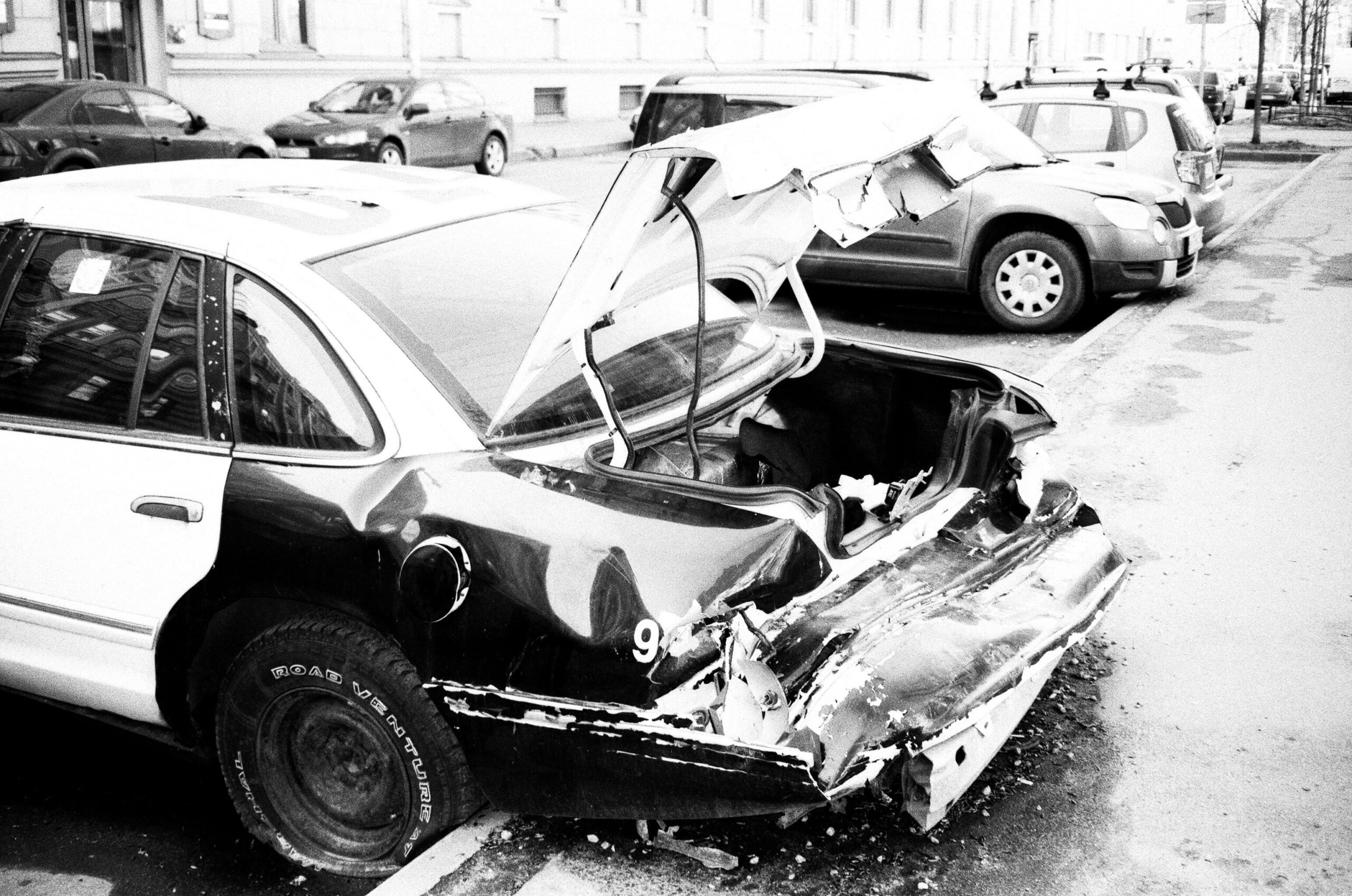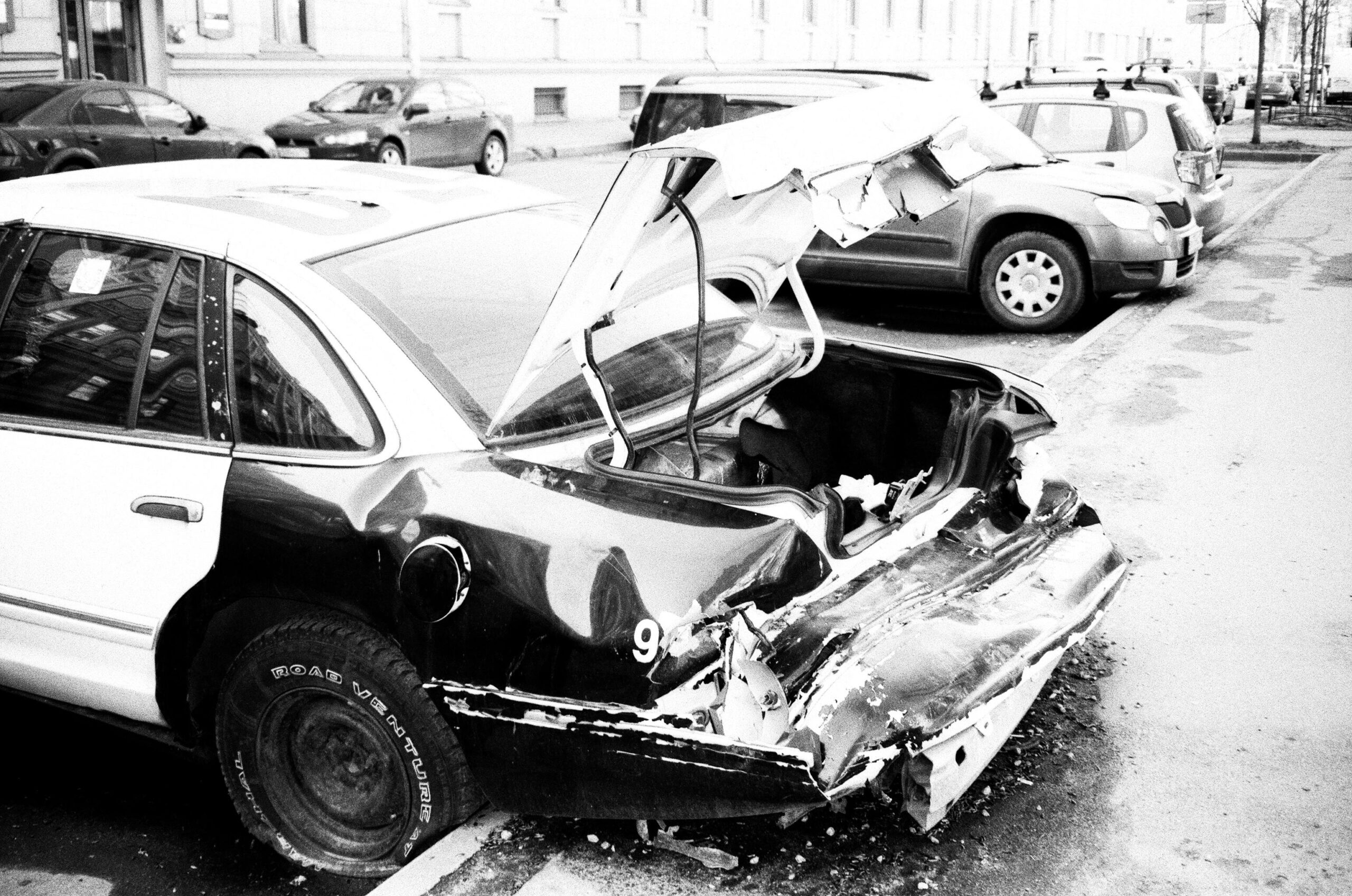
Understanding and addressing rare-event bias in collision-risk data is essential for developing intelligent transportation systems that genuinely protect lives on our roads. 🚗

The Hidden Challenge in Road Safety Data
Modern vehicles are becoming increasingly sophisticated, equipped with advanced driver-assistance systems (ADAS) and autonomous capabilities designed to prevent accidents. However, these technologies face a fundamental challenge: they must learn from data where the events we care most about—serious collisions—occur extremely rarely. This statistical anomaly, known as rare-event bias, creates significant obstacles in developing reliable collision-prediction models.
When crashes represent less than 0.1% of all driving scenarios in training datasets, machine learning algorithms struggle to identify the subtle patterns that distinguish dangerous situations from safe ones. The overwhelming majority of “normal” driving data can drown out the critical signals that precede accidents, leading to systems that either miss genuine threats or generate excessive false alarms.
Why Rare Events Matter More Than Common Ones
In collision-risk assessment, not all data points carry equal importance. A dataset might contain millions of instances of safe lane changes, routine turns, and uneventful highway driving. Meanwhile, the handful of near-miss incidents or actual collisions contain the most valuable information for preventing future accidents.
This imbalance creates a paradox: the events we most urgently need to predict are precisely the ones our models have the least opportunity to learn from. Traditional machine learning approaches, which optimize for overall accuracy, often achieve impressive-looking performance metrics by simply predicting that nothing dangerous will happen—which is correct 99.9% of the time but catastrophically wrong when it matters most.
The Cost of Getting It Wrong
False negatives in collision prediction systems have obvious and severe consequences. When a system fails to identify an impending crash, it misses the opportunity to alert the driver or activate emergency braking, potentially resulting in injury or death. However, false positives also carry significant costs that extend beyond mere inconvenience.
Excessive false alarms erode driver trust in safety systems. Research shows that drivers who experience frequent unnecessary warnings begin to ignore or disable these features entirely, a phenomenon known as “alarm fatigue.” This creates a dangerous situation where genuinely life-saving technology becomes ineffective because users have lost confidence in its reliability.
Understanding the Statistical Landscape 📊
To effectively tackle rare-event bias, we must first understand the statistical characteristics of collision-risk data. Traffic safety datasets typically exhibit extreme class imbalance, with collision events representing anywhere from 0.01% to 1% of total observations, depending on how collisions and near-misses are defined.
This imbalance manifests in several ways that complicate model development:
- Insufficient positive examples: With so few collision instances, models lack adequate samples to learn the full diversity of crash scenarios
- Overfitting to rare patterns: Limited collision data may cause models to memorize specific incidents rather than generalizing to new situations
- Evaluation challenges: Standard accuracy metrics become misleading when classes are severely imbalanced
- Threshold sensitivity: Small changes in classification thresholds can dramatically shift the balance between false positives and false negatives
The Real-World Data Collection Problem
Gathering sufficient collision data presents practical and ethical challenges. Researchers cannot ethically create dangerous situations to collect crash data. Instead, they must rely on naturalistic driving studies, crash databases, and simulation environments, each with limitations.
Naturalistic driving studies, where instrumented vehicles record real-world driving over extended periods, generate massive amounts of safe driving data but capture relatively few actual collisions. Crash databases provide incident reports but often lack the detailed contextual information needed for predictive modeling. Simulation can generate synthetic collision scenarios but may not fully capture the complexity and unpredictability of real-world driving.
Proven Strategies for Addressing Rare-Event Bias 🎯
Fortunately, researchers and engineers have developed numerous techniques specifically designed to handle imbalanced datasets and rare-event prediction. These approaches can be broadly categorized into data-level methods, algorithm-level methods, and hybrid approaches.
Data-Level Techniques
Data resampling represents one of the most straightforward approaches to addressing class imbalance. Oversampling techniques create additional synthetic examples of the minority class (collisions), while undersampling reduces the number of majority class examples (safe driving scenarios). However, both approaches carry risks: oversampling can lead to overfitting, while undersampling may discard potentially valuable information.
More sophisticated synthetic data generation methods, such as SMOTE (Synthetic Minority Over-sampling Technique) and its variants, create new minority class examples by interpolating between existing instances. These techniques help models learn more robust decision boundaries without simply duplicating existing collision examples.
Data augmentation specifically tailored for driving scenarios can also prove valuable. By applying realistic transformations to existing collision examples—such as varying weather conditions, lighting, or traffic density—researchers can artificially expand the diversity of rare-event training data.
Algorithm-Level Solutions
Cost-sensitive learning approaches modify the training process to assign different misclassification costs to different classes. By penalizing false negatives (missed collisions) more heavily than false positives, these methods encourage models to be more conservative in predicting safety, potentially saving lives even at the cost of additional warnings.
Ensemble methods that combine multiple models can also improve rare-event detection. By training diverse models on different subsets of data or using different algorithms, ensemble approaches can capture a broader range of collision patterns than any single model alone.
Anomaly detection frameworks represent another promising direction. Rather than trying to learn patterns of both safe and unsafe driving, these approaches focus on identifying situations that deviate significantly from normal driving behavior, which may indicate elevated collision risk.
Evaluation Metrics That Actually Matter
When dealing with rare-event prediction, traditional accuracy metrics provide a dangerously incomplete picture. A model that predicts “no collision” for every instance might achieve 99.9% accuracy but would be completely useless for preventing accidents.
More appropriate metrics for collision-risk assessment include:
| Metric | What It Measures | Why It Matters |
|---|---|---|
| Precision | Proportion of collision predictions that are correct | Indicates false alarm rate |
| Recall | Proportion of actual collisions correctly identified | Measures ability to catch real threats |
| F1-Score | Harmonic mean of precision and recall | Balances detection and false alarms |
| AUPRC | Area under precision-recall curve | Performance across all thresholds |
| Expected Cost | Weighted sum of error types | Incorporates real-world consequences |
The precision-recall trade-off becomes particularly critical in collision-prediction systems. Engineers must carefully consider the relative costs of false alarms versus missed detections when calibrating system thresholds for deployment.
Real-World Applications and Success Stories 🚀
Several automotive manufacturers and technology companies have made significant progress in addressing rare-event bias in their collision-avoidance systems. Advanced implementations now employ multi-layered approaches that combine multiple data sources, sophisticated algorithms, and continuous learning from fleet data.
Modern automatic emergency braking (AEB) systems demonstrate how careful attention to rare-event bias can save lives. By combining radar, camera, and lidar data with machine learning models specifically trained to handle imbalanced datasets, these systems achieve high detection rates for genuine collision threats while maintaining acceptably low false-alarm rates.
The Role of Transfer Learning
Transfer learning has emerged as a powerful tool for addressing data scarcity in rare-event scenarios. By pre-training models on large datasets from related tasks—such as general object detection or scene understanding—and then fine-tuning on limited collision-specific data, researchers can leverage knowledge from abundant data sources to improve performance on rare events.
This approach proves particularly valuable for handling unusual collision scenarios that may be extremely rare even within already-scarce collision data, such as accidents involving emergency vehicles, construction zones, or unusual weather conditions.
The Human Factor in Technology Adoption
Even the most sophisticated collision-prediction systems will fail if drivers don’t trust and properly use them. Addressing rare-event bias isn’t solely a technical challenge—it’s also a human factors problem that requires careful interface design and user education.
Effective warning systems must strike a delicate balance between alerting drivers to genuine dangers and avoiding alarm fatigue. This often means implementing tiered warning systems that distinguish between different levels of threat urgency, allowing drivers to develop appropriate mental models of system behavior.
Transparent communication about system capabilities and limitations also builds trust. Drivers who understand that collision-warning systems provide probabilistic assessments rather than perfect predictions are more likely to maintain appropriate vigilance and respond appropriately to warnings.
Looking Toward the Future of Safer Roads 🛣️
As we move toward increasingly automated vehicles, addressing rare-event bias will become even more critical. Fully autonomous systems cannot rely on human drivers to compensate for missed detections or false alarms—they must handle rare and dangerous situations with near-perfect reliability.
Emerging approaches show promise for further improving rare-event prediction. Federated learning allows vehicles to collaboratively learn from collective experiences while preserving privacy. Simulation environments continue to improve in realism, providing safe venues for training systems on diverse collision scenarios. Advanced sensor fusion techniques enable more robust perception of potential threats.
The Importance of Continuous Improvement
Collision-prediction systems should not remain static after initial deployment. Continuous monitoring of system performance in real-world conditions, coupled with regular model updates incorporating new data, ensures that rare-event detection capabilities improve over time.
Fleet-wide data collection enables manufacturers to identify previously unseen collision patterns and edge cases, gradually expanding the diversity of scenarios their systems can handle. This ongoing learning process represents a fundamental advantage of connected vehicle technologies over traditional safety systems.

Empowering Drivers and Engineers Alike
Successfully navigating the challenges of rare-event bias in collision-risk data requires collaboration across disciplines. Data scientists must develop sophisticated algorithms tailored to imbalanced datasets. Engineers must integrate these models into reliable real-time systems. Human factors specialists must ensure effective driver interaction. And policymakers must establish appropriate testing and validation standards.
For individual drivers, understanding the capabilities and limitations of collision-avoidance systems enables more effective use of these life-saving technologies. Recognizing that no system is perfect, maintaining appropriate situational awareness, and responding promptly to warnings all contribute to safer outcomes.
The journey toward eliminating traffic fatalities continues, with each advancement in rare-event prediction bringing us closer to that goal. By acknowledging the statistical challenges inherent in collision-risk assessment and applying targeted solutions, we can develop increasingly reliable systems that protect lives without overwhelming drivers with false alarms.
The road ahead remains long, but the combination of better data collection, more sophisticated algorithms, improved evaluation methods, and thoughtful system design provides a clear path forward. As these technologies mature and deployment expands, the promise of dramatically safer roads becomes increasingly achievable—one rare event successfully predicted and prevented at a time. 🌟