
Emergency descent alerts represent one of aviation’s most critical safety mechanisms, demanding rapid cognitive processing and precise physical response under extreme pressure.

🚨 The Psychology Behind High-Altitude Emergency Response
When a pilot encounters an emergency descent alert, their brain must process multiple streams of information simultaneously while fighting against physiological limitations. The human factors involved in these scenarios extend far beyond simple training protocols, touching upon cognitive psychology, human physiology, and decision-making under stress.
Understanding how pilots process emergency descent alerts requires examining the intricate relationship between sensory input, cognitive load, and motor response. During a rapid decompression event or other emergency requiring immediate descent, pilots face a compressed timeline where every second matters. The average time between recognizing a cabin pressurization failure and initiating emergency descent procedures can be as little as 15-30 seconds, yet within this narrow window, countless decisions must be made.
⚡ Cognitive Load Management During Critical Moments
The human brain operates under finite processing capacity, and during emergency situations, this limitation becomes particularly pronounced. When multiple alarms sound simultaneously in a cockpit, pilots must quickly distinguish between primary threats and secondary concerns while maintaining spatial orientation and aircraft control.
Research into cognitive tunneling reveals a dangerous phenomenon where pilots become so fixated on one aspect of an emergency that they neglect other critical factors. This tunnel vision effect has contributed to several aviation accidents where crews became absorbed in troubleshooting a specific system failure while losing awareness of their altitude or proximity to terrain.
The Role of Working Memory in Emergency Procedures
Working memory serves as the mental workspace where pilots hold and manipulate information during emergency descent procedures. Unlike long-term memory, which stores practiced procedures and theoretical knowledge, working memory handles the immediate tactical decisions that arise during dynamic situations.
Studies demonstrate that working memory capacity dramatically decreases under stress, reducing from an average of seven discrete pieces of information to as few as two or three. This compression explains why standardized checklists and simplified emergency procedures prove so vital during actual emergencies—they accommodate the brain’s reduced processing capability under duress.
🧠 Physiological Factors Affecting Decision-Making
The human body’s response to altitude changes directly impacts cognitive function and decision-making capability. Hypoxia, the condition of insufficient oxygen reaching body tissues, represents one of the most insidious threats during decompression events because it impairs judgment while simultaneously reducing the pilot’s awareness of their own impairment.
At altitudes above 10,000 feet without supplemental oxygen, cognitive performance begins deteriorating. Night vision suffers first, followed by increasingly compromised judgment, memory, and coordination. By 18,000 feet, the time of useful consciousness without oxygen drops to approximately 20-30 minutes, but effective performance degrades much sooner.
Understanding Time of Useful Consciousness
Time of useful consciousness (TUC) represents the period during which a pilot can perform useful functions following oxygen deprivation. This metric varies significantly with altitude and individual physiology, but understanding its implications proves crucial for emergency descent training.
At 35,000 feet, a typical cruising altitude for commercial aircraft, TUC without supplemental oxygen averages only 30-60 seconds. This extremely narrow window explains why emergency descent procedures must be initiated immediately upon recognizing a pressurization failure, with oxygen mask deployment taking absolute priority before any other action.
🎯 Training Methodologies That Address Human Limitations
Effective emergency descent training recognizes and accommodates human cognitive and physiological limitations rather than expecting pilots to overcome them through willpower alone. Modern training approaches incorporate scenario-based learning that replicates the stress and time compression of actual emergencies.
Simulator sessions specifically designed around emergency descent scenarios allow pilots to experience physiological stress responses in a controlled environment. These sessions deliberately introduce startle factors, multiple concurrent alarms, and realistic time pressures that mirror real-world emergency conditions.
Muscle Memory and Procedural Automaticity
Repetitive practice transforms conscious procedures into automatic responses stored in procedural memory. When pilots practice emergency descent procedures hundreds of times, these actions become encoded at a neurological level that bypasses conscious thought, allowing for faster and more reliable execution under stress.
This automaticity explains why the first response to a decompression event—donning oxygen masks—must be drilled until it becomes reflexive. The delay introduced by consciously thinking through this step could mean the difference between effective crisis management and hypoxia-induced incapacitation.
📊 Communication Breakdown Points in Emergency Descents
Human factors research identifies communication as a frequent breakdown point during aviation emergencies. The cockpit environment during an emergency descent involves high noise levels, multiple competing auditory signals, and time pressure that degrades communication effectiveness.
Crew resource management (CRM) principles address these communication challenges through standardized phraseology, explicit role assignments, and structured communication protocols. During an emergency descent, one pilot assumes aircraft control while the other manages communications and checklist execution, dividing cognitive load between crew members.
The Sterile Cockpit Concept
Below 10,000 feet, aviation regulations mandate a sterile cockpit environment where only safety-essential communications occur. This principle becomes even more critical during emergency descents, where any non-essential conversation could distract crews from vital tasks or cause them to miss important callouts.
Research into cockpit voice recorder data from incidents reveals that successful emergency outcomes correlate strongly with crews maintaining disciplined communication focused exclusively on managing the immediate threat and executing required procedures.
⚙️ Technology Interface Design and Human Error Prevention
Modern aircraft incorporate sophisticated alerting systems designed around human factors principles, but the interface between technology and human operators remains a critical consideration. Alert prioritization systems help pilots distinguish between immediate threats requiring instant action and lower-priority warnings that can be addressed after the primary emergency is contained.
The design of emergency descent alerts must balance between providing sufficient warning to enable timely response while avoiding alert fatigue that causes pilots to dismiss or delay responding to genuine emergencies. This balance requires careful consideration of alert frequency, volume, visual presentation, and integration with other cockpit information systems.
Alert Hierarchy and Sensory Modalities
Effective alert systems employ multiple sensory channels—visual, auditory, and sometimes tactile—to ensure critical information reaches pilot awareness even when attention is focused elsewhere. Emergency descent alerts typically combine:
- Master warning lights positioned in pilots’ primary field of view
- Distinctive auditory alerts with unique tonal qualities
- Electronic centralized aircraft monitoring displays showing system status
- Backup mechanical indicators providing redundant information
🔄 Decision-Making Models for Time-Critical Situations
Traditional analytical decision-making models prove inadequate for emergency descent scenarios where time constraints preclude deliberate evaluation of multiple options. Instead, pilots rely on recognition-primed decision making (RPD), where pattern recognition triggers pre-determined responses based on training and experience.
RPD allows experienced pilots to assess a situation and implement appropriate responses in seconds rather than minutes. This cognitive shortcut works because pilots have encountered similar scenarios during training, allowing them to recognize cues and match them to stored mental models of appropriate responses.
The Paradox of Automation Dependency
Modern aircraft automation reduces routine workload but can degrade manual flying skills and emergency response capabilities when pilots become overly dependent on automated systems. During emergency descents, pilots must sometimes quickly transition from monitoring automated systems to manual flight control, a transition that introduces opportunities for mode confusion and delayed response.
Training programs increasingly emphasize maintaining manual flying proficiency specifically to preserve the cognitive flexibility needed during emergencies when automation may be unavailable or inappropriate. This approach recognizes that automation serves as a tool rather than a replacement for fundamental piloting skills.
🌍 Cultural Factors Influencing Emergency Response
Aviation operates as a global enterprise, bringing together pilots, air traffic controllers, and support personnel from diverse cultural backgrounds. Cultural dimensions such as power distance, individualism versus collectivism, and uncertainty avoidance influence how individuals respond to authority, communicate concerns, and make decisions under pressure.
In high power distance cultures, junior crew members may hesitate to question or contradict senior pilots even when they perceive safety concerns. This cultural dynamic has contributed to accidents where copilots failed to assertively challenge captain decisions during emergencies. Modern CRM training explicitly addresses these cultural factors, emphasizing that safety supersedes hierarchical considerations.
💡 Fatigue and Circadian Rhythm Impacts on Emergency Performance
Pilot fatigue represents a significant human factors concern that directly affects emergency response capability. Sleep deprivation and circadian disruption impair cognitive function in ways that closely mirror alcohol intoxication, reducing reaction time, degrading decision quality, and increasing susceptibility to errors.
Research demonstrates that pilots operating during their circadian low point (typically between 2:00 AM and 6:00 AM) show measurably slower response times to emergency alerts and increased tendency toward procedural errors. Fatigue management protocols attempt to mitigate these effects through duty time limitations and crew rest requirements, but operational realities sometimes result in pilots operating while significantly fatigued.
🎓 Continuous Improvement Through Incident Analysis
Aviation safety culture emphasizes learning from both accidents and near-miss incidents to continuously refine procedures and training. Analysis of emergency descent events reveals recurring human factors patterns that inform updates to alert system design, procedure development, and training curricula.
Safety management systems encourage voluntary reporting of incidents without punitive consequences, creating data streams that reveal systemic vulnerabilities before they contribute to accidents. This approach recognizes that human error typically represents the symptom of deeper system design issues rather than simply pilot fallibility.
Building Resilience Through Scenario Diversity
Effective training exposes pilots to diverse emergency scenarios rather than simply rehearsing a single standard response. This variety builds cognitive flexibility and prepares pilots to adapt procedures when actual emergencies present unique characteristics not perfectly matching trained scenarios.
Variability training acknowledges that real-world emergencies rarely unfold exactly as practiced, requiring pilots to apply principles rather than simply execute memorized sequences. This approach develops the adaptive expertise needed when circumstances demand deviation from standard procedures.
🔍 The Future of Human-Centered Alert Systems
Emerging technologies promise to address current human factors limitations in emergency alert systems. Artificial intelligence systems can potentially monitor pilot workload in real-time and adjust alert presentation to optimize attention without overwhelming cognitive capacity. Eye-tracking technology enables alert systems that verify pilots have visually acknowledged critical warnings before progressing to subsequent steps.
However, technology advancement must carefully consider the principle of human-centered design, ensuring that new systems genuinely enhance human performance rather than introducing new complexity or creating automation dependency that degrades fundamental skills.
Augmented reality displays may eventually present emergency procedures directly in pilots’ field of view, reducing the need to divert attention to reference materials during critical moments. Such innovations must undergo rigorous human factors evaluation to confirm they provide genuine safety benefits without introducing unintended consequences.
✈️ Integrating Lessons Across Aviation Sectors
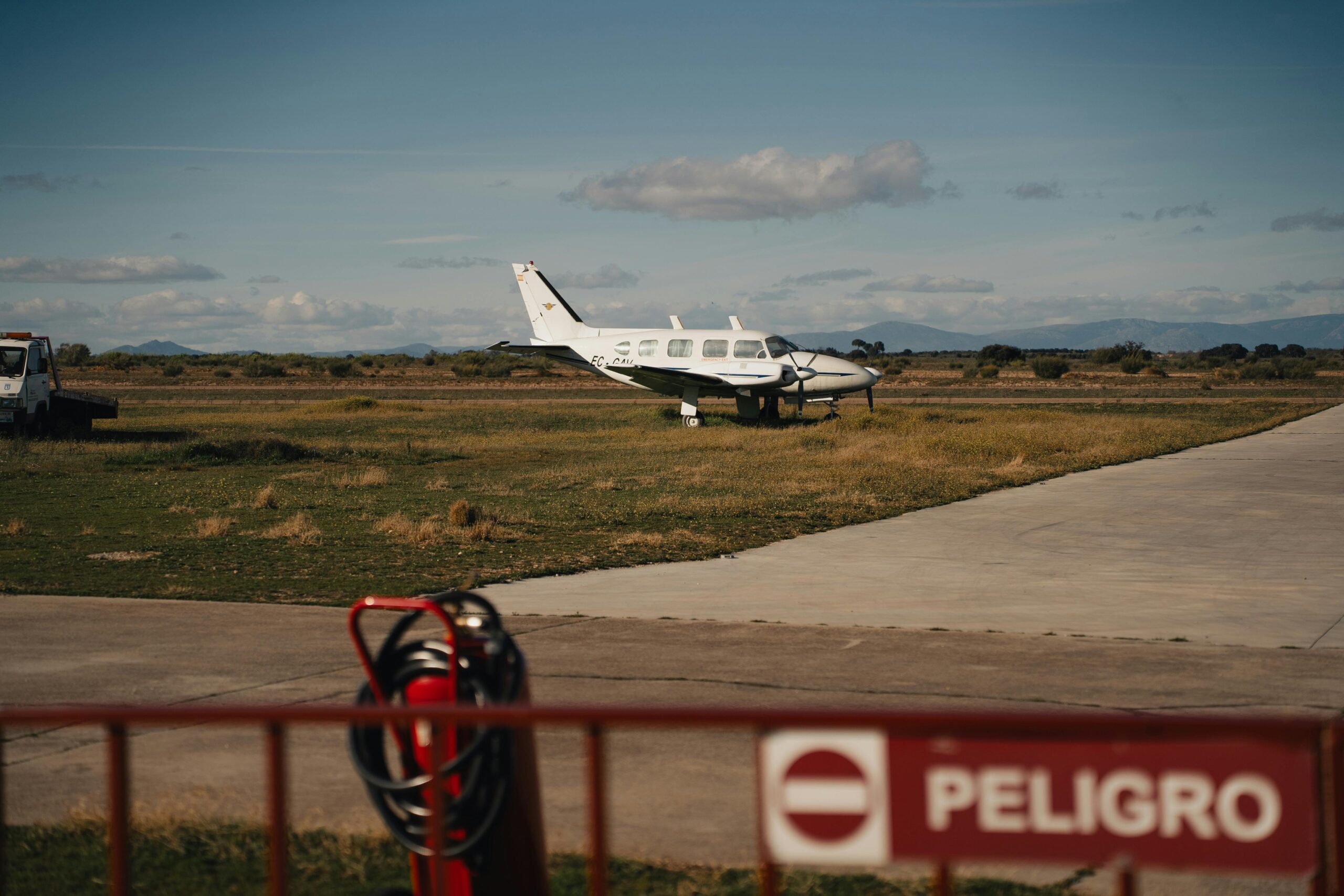
Human factors principles applicable to commercial aviation emergency descents transfer across aviation sectors, from general aviation to military operations. Each sector contributes unique insights based on their operational environments and mission requirements.
General aviation pilots often operate single-pilot in smaller aircraft without the crew resource management advantages of multi-pilot operations. This environment places even greater emphasis on procedural discipline and recognizing personal limitations regarding stress, fatigue, and cognitive load.
Military aviation involves emergency scenarios compounded by combat stress and mission pressures that civilian aviation typically does not encounter. Military experiences with decision-making under extreme stress inform civilian training approaches and alert system design.
🛡️ Building a Safety Culture That Supports Human Performance
Organizational culture profoundly influences how pilots prepare for and respond to emergency descent situations. Airlines and aviation organizations that prioritize safety over schedule pressures create environments where pilots feel empowered to make conservative decisions without career consequences.
A just culture distinguishes between honest mistakes arising from system design limitations and reckless behavior deserving sanction. This approach encourages reporting and learning while maintaining accountability, supporting continuous improvement in emergency response procedures and training.
Peer support programs recognize that experiencing a serious emergency affects pilots psychologically and may require professional intervention to prevent long-term performance impacts. Organizations that provide confidential support resources help pilots process traumatic experiences and return to full operational capability more quickly than those that ignore the psychological aftermath of emergencies.
Mastering emergency descent alerts ultimately requires acknowledging and accommodating human limitations while leveraging human strengths such as pattern recognition, adaptability, and judgment. The most effective approach combines technology that supports human performance, training that builds robust procedural knowledge and adaptive expertise, and organizational cultures that prioritize safety above competing pressures. As aviation continues evolving, maintaining focus on human factors principles ensures that emergency systems and procedures remain centered on enhancing rather than exceeding human capabilities under the most demanding circumstances imaginable.