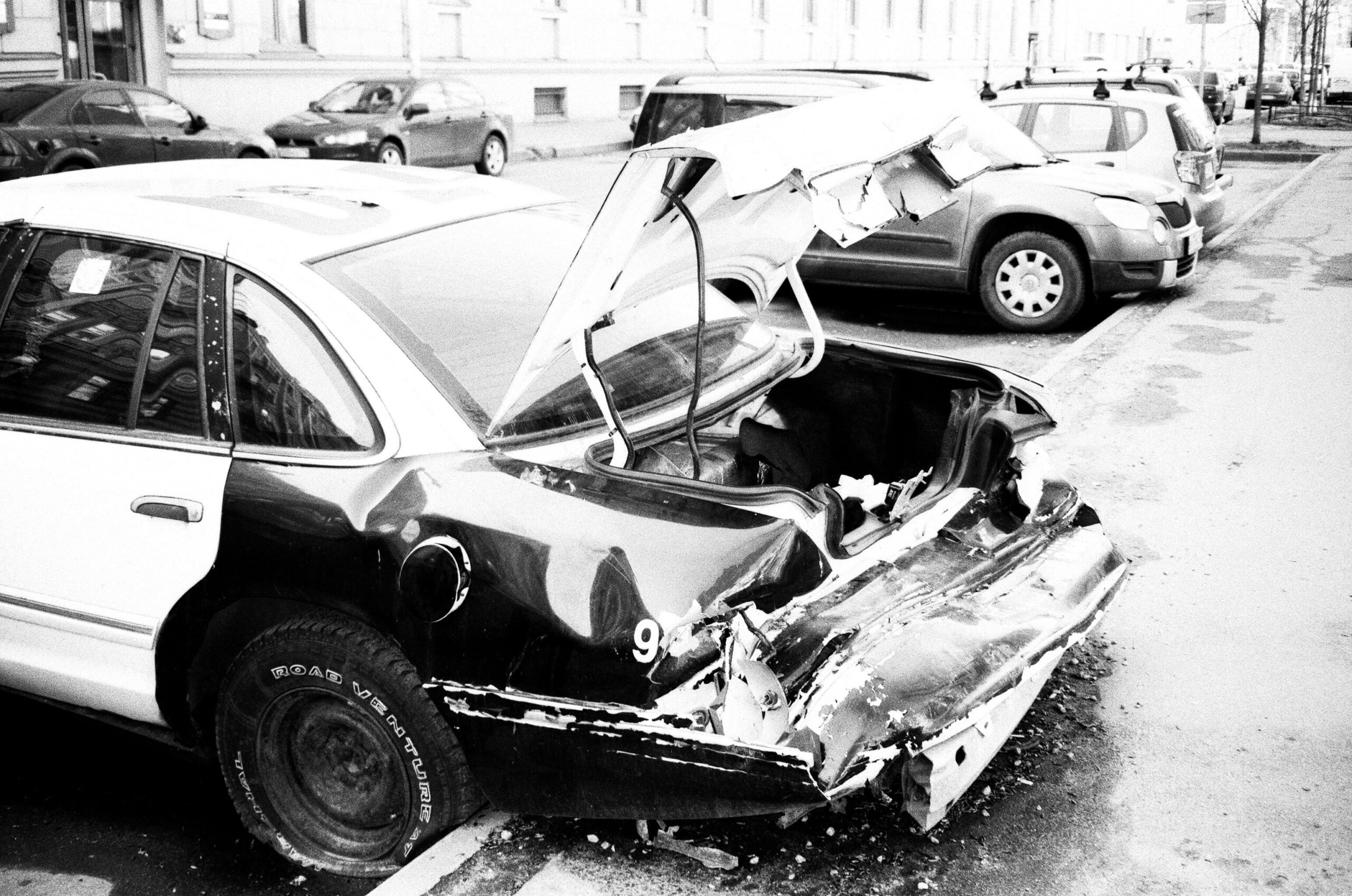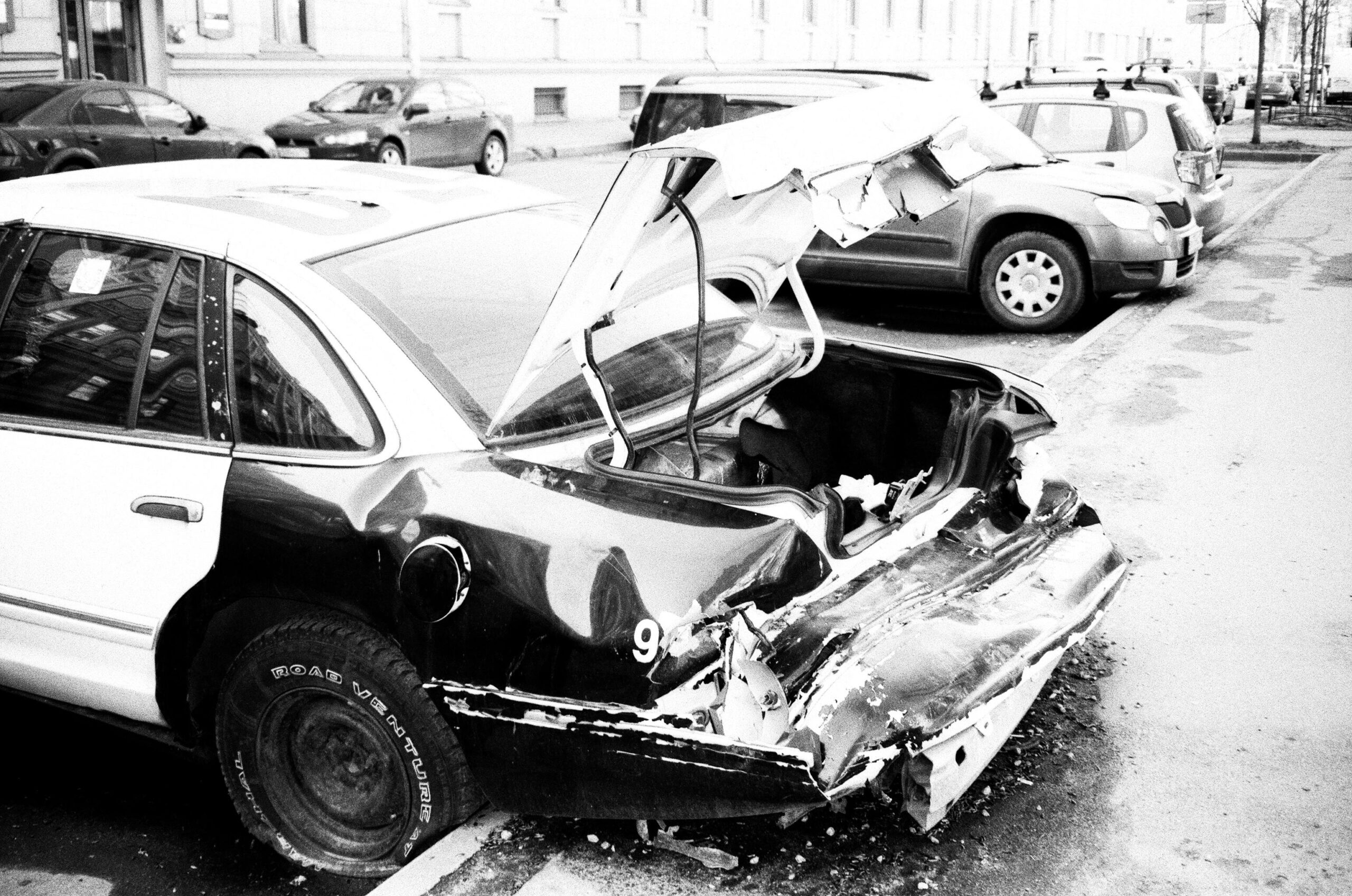
Collision-risk modeling is transforming road safety by predicting and preventing accidents before they happen. This powerful technology is saving lives every day. 🚗

The Dawn of Predictive Road Safety Technology
Every year, millions of people are injured or killed in traffic accidents worldwide. Despite decades of safety improvements, from seat belts to airbags, the fundamental challenge remains: how do we prevent collisions before they occur? The answer lies in an innovative approach that’s changing everything we know about road safety—collision-risk modeling.
This sophisticated technology uses advanced algorithms, real-time data collection, and predictive analytics to identify dangerous situations before they become catastrophic. Unlike traditional safety measures that protect passengers during an accident, collision-risk modeling works to eliminate the accident entirely. It’s a paradigm shift that’s revolutionizing how we think about safety on the road.
The system analyzes thousands of variables simultaneously—from vehicle speed and trajectory to weather conditions and driver behavior—creating a comprehensive picture of potential hazards. When risk levels spike, the technology can alert drivers, adjust vehicle systems automatically, or even communicate with other vehicles and infrastructure to coordinate safer traffic flow.
Understanding the Science Behind Collision Prediction 🔬
At its core, collision-risk modeling relies on complex mathematical algorithms that process enormous amounts of data in milliseconds. These models draw from multiple disciplines including physics, statistics, computer science, and behavioral psychology to create accurate predictions about potential accidents.
The technology typically employs machine learning systems that improve over time. As these systems process more real-world scenarios, they become increasingly sophisticated at identifying subtle patterns that precede collisions. For instance, the model might recognize that a particular combination of factors—such as rain-slicked roads, rush hour traffic, and a specific intersection design—creates elevated risk.
Modern collision-risk models incorporate several key data sources:
- Vehicle sensor data including speed, acceleration, braking patterns, and steering inputs
- Environmental information such as weather conditions, visibility, and road surface quality
- GPS location data to identify high-risk areas and traffic patterns
- Historical accident data to recognize dangerous scenarios
- Real-time traffic information from connected vehicles and infrastructure
- Driver behavior metrics including reaction times and attention levels
Real-World Applications Saving Lives Today
Collision-risk modeling isn’t just theoretical—it’s already deployed in vehicles and transportation systems worldwide, making tangible impacts on safety statistics. Major automotive manufacturers have integrated these systems into their latest models, while transportation agencies use them to improve road design and traffic management.
Advanced Driver Assistance Systems (ADAS) represent one of the most visible applications. These systems use collision-risk modeling to power features like automatic emergency braking, lane departure warnings, and adaptive cruise control. When sensors detect an imminent collision, the vehicle can alert the driver or take corrective action automatically.
Commercial fleet operators have also embraced this technology enthusiastically. By equipping trucks and delivery vehicles with collision-risk modeling systems, companies have reported accident reductions of 30-50% in some cases. This not only saves lives but also reduces costs associated with vehicle repairs, insurance premiums, and liability claims.
The Role of Artificial Intelligence and Machine Learning 🤖
Artificial intelligence has supercharged collision-risk modeling capabilities in recent years. Traditional models relied on predetermined rules and scenarios, but AI-powered systems can identify patterns that human programmers might never anticipate. This adaptive learning approach makes the technology more effective across diverse driving conditions and unpredictable situations.
Neural networks, a type of AI modeled after the human brain, excel at processing the complex, multi-dimensional data involved in collision prediction. These networks can simultaneously evaluate visual information from cameras, distance measurements from radar and lidar, acceleration data from inertial sensors, and contextual information about location and traffic conditions.
Deep learning algorithms take this further by automatically extracting relevant features from raw data. Rather than requiring engineers to manually specify what factors matter most, these systems learn independently which variables best predict collision risk. This has led to breakthrough improvements in prediction accuracy and response times.
Connected Vehicles: The Network Effect on Safety
The true potential of collision-risk modeling emerges when vehicles communicate with each other and with road infrastructure. This vehicle-to-everything (V2X) communication creates a collective awareness that far exceeds what any single vehicle can achieve alone.
Imagine approaching an intersection where your view is blocked by a building. In a connected environment, your vehicle already knows that another car is speeding through the cross street, having received that information directly from the other vehicle or from sensors embedded in the intersection. Your collision-risk model calculates the danger and alerts you to stop, preventing an accident that would have been unavoidable without this connected intelligence.
This networked approach also enables predictive traffic management. When transportation authorities have access to aggregated collision-risk data from thousands of vehicles, they can identify dangerous conditions developing in real-time and take proactive measures—adjusting traffic signal timing, deploying emergency services preemptively, or sending warnings to drivers entering high-risk areas.
Smartphone Applications Bringing Technology to Every Driver 📱
While advanced collision-risk modeling was once limited to expensive luxury vehicles, smartphone applications are democratizing access to this life-saving technology. These apps leverage the sensors already built into modern smartphones—accelerometers, gyroscopes, GPS, and cameras—to provide collision-risk assessment for any driver.
Several applications have emerged that use collision-risk modeling principles to improve driver safety. These apps typically run in the background during trips, monitoring driving behavior and road conditions to identify risky patterns. They can alert drivers to dangerous habits like harsh braking, rapid acceleration, or distracted driving while also warning about external hazards.
Some advanced applications incorporate computer vision to analyze the road ahead using the phone’s camera, identifying potential hazards like pedestrians, stopped vehicles, or debris in the roadway. When combined with AI-powered risk assessment, these systems provide surprisingly sophisticated collision prevention capabilities without requiring any special vehicle equipment.
The Human Factor: Behavioral Insights and Driver Education
Technology alone cannot eliminate all accidents—human behavior remains a critical component of road safety. Collision-risk modeling provides valuable insights into the psychological and behavioral factors that contribute to accidents, enabling more effective driver education and intervention strategies.
Data from collision-risk systems reveals patterns in how drivers respond to various situations. For instance, research shows that many drivers consistently underestimate risk in familiar environments, becoming complacent on routes they travel regularly. Others may overcompensate in certain situations, creating different but equally dangerous behaviors.
This behavioral data enables personalized safety coaching. Rather than generic advice, drivers can receive specific feedback about their individual risk factors. Someone who tends to follow too closely might receive targeted reminders about safe following distances, while another driver who speeds in residential areas gets location-specific alerts about school zones and pedestrian activity.
Insurance Innovation Through Risk-Based Pricing 💰
The insurance industry has recognized collision-risk modeling as a game-changer for how policies are priced and managed. Traditional insurance pricing relies heavily on demographic factors and historical claims data, but collision-risk modeling enables real-time assessment of individual driver risk.
Usage-based insurance (UBI) programs leverage this technology to offer premiums based on actual driving behavior rather than statistical generalizations. Safe drivers who consistently maintain low collision-risk scores benefit from reduced rates, while high-risk behaviors result in higher premiums. This creates financial incentives for safer driving while ensuring that insurance costs more accurately reflect actual risk.
Some insurers now offer immediate feedback through smartphone apps, showing drivers how their behaviors affect their risk scores and premiums. This transparent approach helps drivers understand the connection between their choices and both safety outcomes and financial costs, motivating positive behavioral changes.
Infrastructure Improvements Guided by Data
Beyond vehicle-based applications, collision-risk modeling is transforming how roads and traffic systems are designed and maintained. Transportation engineers now have unprecedented visibility into where, when, and why accidents occur, enabling evidence-based improvements to infrastructure.
By analyzing collision-risk data from thousands of vehicles over time, authorities can identify locations where many drivers experience elevated risk—even if no accidents have occurred there yet. This proactive approach allows dangerous intersections, poorly designed curves, or confusing signage to be addressed before someone gets hurt.
Smart traffic management systems use real-time collision-risk data to optimize traffic flow dynamically. When risk levels rise due to weather conditions, heavy traffic, or other factors, traffic signals can adjust timing to create larger safety buffers, speed limits can be reduced automatically on digital signs, and alternative routes can be suggested to distribute traffic more safely.
Challenges and Limitations to Consider ⚠️
Despite its tremendous promise, collision-risk modeling faces several challenges that must be addressed for the technology to reach its full potential. Understanding these limitations helps set realistic expectations and guides future development efforts.
Data privacy represents a significant concern for many people. Collision-risk systems necessarily collect detailed information about driving patterns, locations visited, and behaviors. While this data is essential for the technology to function, it also raises questions about who has access to this information and how it might be used beyond safety applications.
System reliability in edge cases poses another challenge. While collision-risk models perform well in typical situations, unusual or extreme scenarios can sometimes confuse the algorithms. A vehicle carrier truck that appears to be multiple vehicles, unusual weather conditions like dense fog, or road construction that changes familiar layouts can potentially lead to incorrect risk assessments.
Technology accessibility remains an issue as well. The most sophisticated collision-risk systems are currently available primarily in expensive vehicles, creating a safety divide where wealthy drivers benefit from advanced protection while those with older or less expensive vehicles lack these protections. Smartphone applications help bridge this gap, but they cannot fully replicate the capabilities of integrated vehicle systems.
The Road Ahead: Future Developments on the Horizon 🚀
The evolution of collision-risk modeling continues to accelerate, with several exciting developments poised to further enhance road safety in coming years. Understanding these emerging trends provides a glimpse into the future of transportation safety.
Autonomous vehicles represent perhaps the most significant application of collision-risk modeling technology. Self-driving cars are essentially collision-risk models with the authority to control the vehicle directly. As these systems mature and become more widely deployed, we can expect dramatic reductions in traffic accidents, since the vast majority of current collisions involve human error.
Integration with smart city infrastructure will create comprehensive safety networks where vehicles, traffic signals, pedestrian crosswalks, and even individual smartphones communicate continuously to maintain optimal safety. This connected ecosystem will identify risks that no single system could detect independently, creating layers of redundant protection.
Predictive maintenance is another frontier where collision-risk modeling will play a crucial role. By monitoring vehicle performance data, these systems will identify mechanical issues that could lead to accidents—like worn brake pads or failing sensors—alerting drivers to maintenance needs before component failures create dangerous situations.
Making Technology Work for Everyone: Practical Steps for Safer Driving
While cutting-edge collision-risk modeling technology continues to develop, there are practical steps that every driver can take today to benefit from these safety advances. You don’t need to wait for a new vehicle or perfect technology to improve your safety on the road.
If your vehicle includes any ADAS features powered by collision-risk modeling—like automatic emergency braking or lane departure warning—take time to understand how these systems work and ensure they’re properly activated. Many drivers disable helpful safety features due to misunderstanding or minor inconveniences, missing out on significant protection.
Consider using a smartphone application that provides collision-risk assessment and driver feedback. Even basic apps that monitor acceleration, braking, and speed can provide valuable insights into your driving patterns and help identify areas for improvement. The awareness these apps create often leads to naturally safer driving behaviors.
Stay informed about road conditions and adjust your driving accordingly. Collision-risk modeling considers environmental factors heavily, and you should too. Slow down in poor weather, increase following distances when visibility decreases, and recognize that familiar routes become higher risk under adverse conditions.

Embracing a Safer Future on Our Roads
Collision-risk modeling represents one of the most significant advances in transportation safety since the invention of the automobile itself. By shifting from reactive protection to proactive prevention, this technology addresses the root cause of traffic injuries and fatalities—the collisions themselves.
As these systems become more sophisticated and widely deployed, we can anticipate a future where traffic accidents become increasingly rare. The combination of improved vehicle technology, connected infrastructure, behavioral insights, and personalized safety coaching creates a comprehensive approach to road safety that far exceeds what any single intervention could achieve.
The journey toward this safer future requires continued investment in technology development, thoughtful policies that balance safety with privacy, and commitment from all stakeholders—manufacturers, government agencies, insurance companies, and individual drivers—to prioritize collision prevention.
Every trip you take is an opportunity to benefit from these advances. Whether you’re driving a vehicle equipped with the latest safety technology or simply paying more attention to risk factors based on insights from collision-risk research, you’re participating in a revolution that’s making our roads safer for everyone. The data is clear: collision-risk modeling works, lives are being saved, and the future of transportation safety has never looked brighter. 🌟