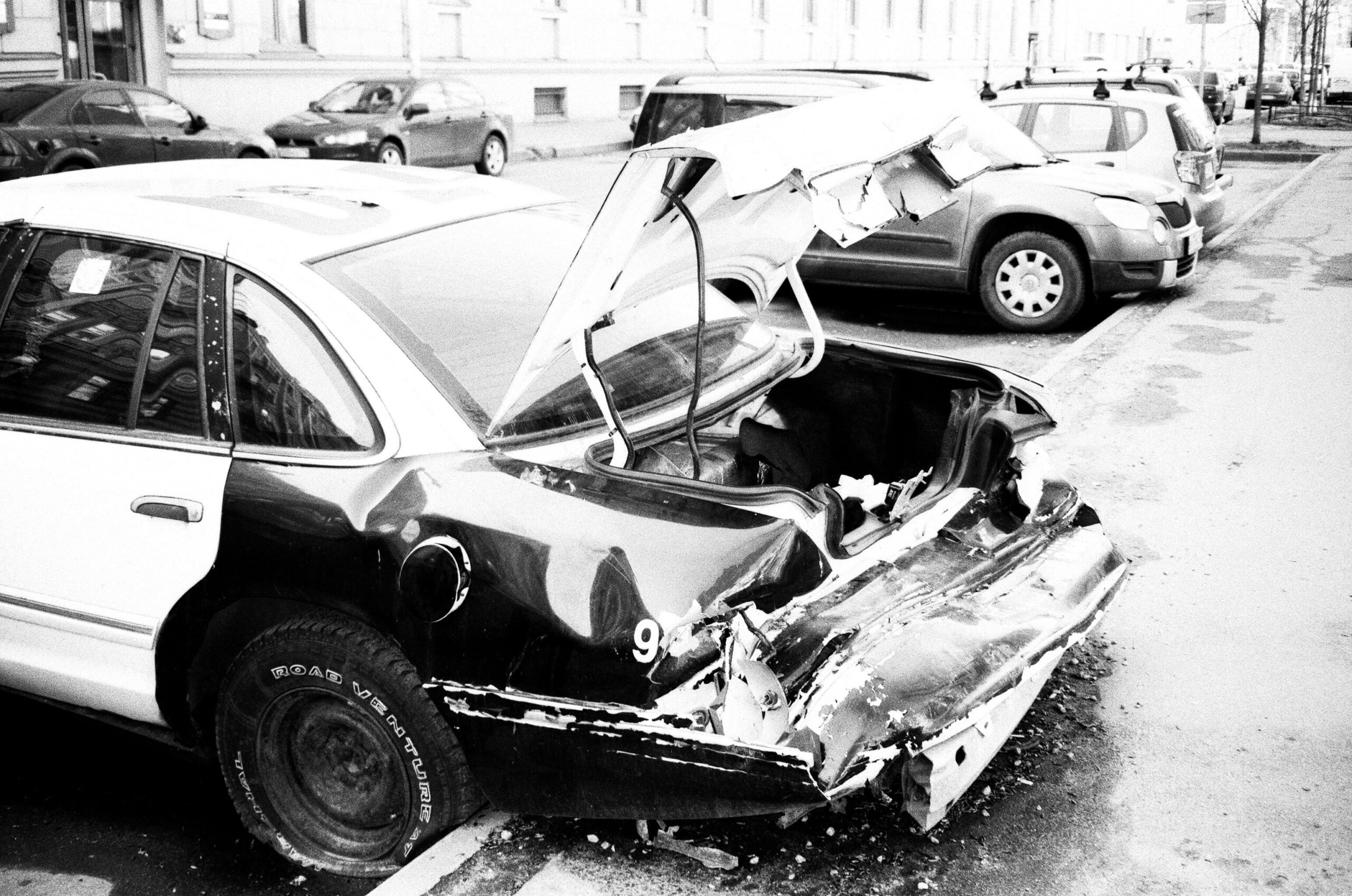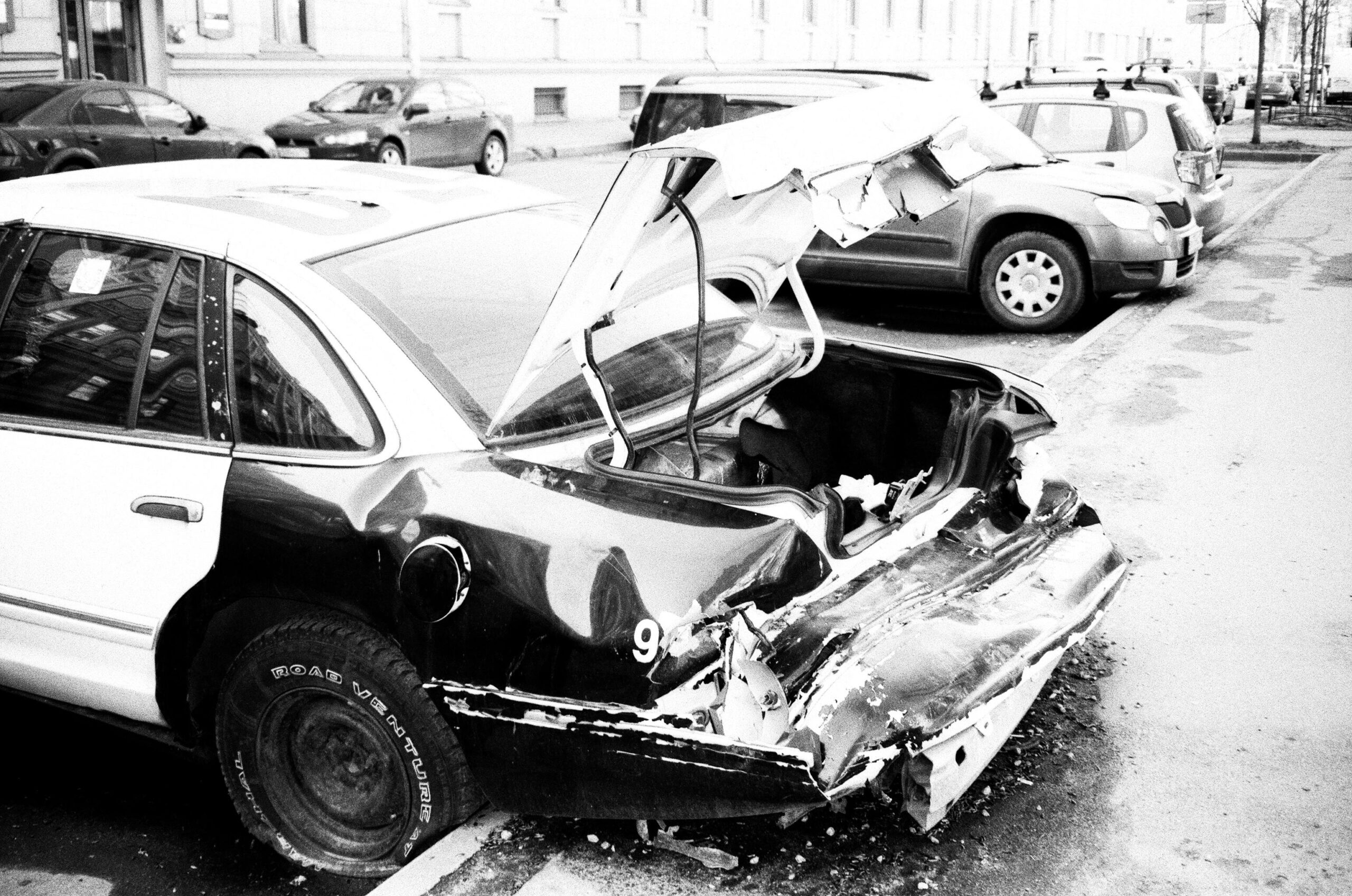
Modern vehicles are becoming smarter, and understanding safety envelopes and collision-avoidance zones is essential for every driver who values security on today’s roads.

🚗 Understanding the Invisible Shields Around Your Vehicle
Every time you drive, your vehicle occupies not just physical space but also what engineers call a “safety envelope”—an invisible protective zone that extends beyond your car’s metal frame. This concept has revolutionized how we think about road safety, transforming vehicles from simple mechanical machines into intelligent safety systems that anticipate and prevent accidents.
Safety envelopes represent the dynamic space around your vehicle that must remain clear to ensure safe operation. Unlike static measurements, these zones expand and contract based on speed, weather conditions, road surface quality, and vehicle performance characteristics. Modern collision-avoidance systems use these principles to create multiple protective layers that work together seamlessly.
The collision-avoidance zone is the immediate area where your vehicle’s sensors actively monitor for potential threats. Advanced driver-assistance systems (ADAS) continuously scan this zone, processing thousands of data points every second to identify pedestrians, vehicles, obstacles, and road hazards before they become dangerous.
The Science Behind Safety Envelopes 🛡️
Safety envelopes are calculated using complex algorithms that consider multiple variables. Your vehicle’s speed is the primary factor—the faster you travel, the larger your safety envelope needs to be. At highway speeds, this envelope can extend several hundred feet in all directions, while in parking lots, it shrinks to just a few meters.
Engineers design these systems around human reaction time, which averages 1.5 seconds for most drivers. During this brief window, a car traveling at 60 mph covers approximately 132 feet before you even begin braking. Modern safety systems eliminate this delay by reacting instantaneously to potential threats.
Weather conditions dramatically affect safety envelope calculations. Rain reduces tire traction and increases stopping distances by up to 50%. Snow and ice can triple these distances. Advanced vehicles adjust their collision-avoidance parameters automatically, using sensors to detect road conditions and recalibrate protective zones accordingly.
Key Components of Your Vehicle’s Safety Envelope
The forward collision zone is perhaps the most critical area, extending from your front bumper to several hundred feet ahead. This zone is monitored by radar, cameras, and sometimes LIDAR sensors that track vehicles, pedestrians, and stationary objects in your path.
Side safety zones protect against lane-departure incidents and side-impact collisions. Blind-spot monitoring systems use these zones to alert you when vehicles occupy spaces you cannot easily see through mirrors. These systems have reduced lane-change accidents by approximately 14% according to recent safety studies.
Rear safety envelopes help prevent backing collisions, which account for significant parking lot accidents annually. Rear cross-traffic alert systems scan these zones when you’re reversing, warning you about approaching vehicles, pedestrians, or cyclists that might enter your path.
How Collision-Avoidance Technology Actually Works 🔍
Modern collision-avoidance systems employ a sophisticated array of sensors working in concert. Radar sensors use radio waves to detect objects and measure their distance and relative velocity. These sensors perform exceptionally well in poor weather conditions when cameras might struggle.
Camera systems provide visual data that algorithms analyze to identify lane markings, traffic signs, pedestrians, and vehicle types. Stereo camera setups can even perceive depth, creating three-dimensional maps of the environment around your vehicle.
Ultrasonic sensors handle close-range detection, particularly useful for parking assistance and low-speed maneuvering. These emit high-frequency sound waves that bounce off nearby objects, calculating distances with remarkable precision within ranges of six feet or less.
LIDAR technology, increasingly common in premium vehicles, uses laser pulses to create highly detailed 3D maps of surroundings. This technology can detect objects with centimeter-level accuracy and operates effectively in various lighting conditions.
The Processing Power Behind Your Safety
All sensor data flows into powerful onboard computers that process information faster than any human could. These systems use artificial intelligence and machine learning algorithms trained on millions of miles of real-world driving data. They can predict pedestrian movements, anticipate other drivers’ intentions, and identify potentially hazardous situations before they develop.
The system calculates multiple potential collision scenarios simultaneously, determining probability levels for each. When threat probability exceeds preset thresholds, the system initiates warnings or automatic interventions depending on severity and imminence.
Active vs. Passive Safety Systems 🚦
Understanding the difference between active and passive safety features helps you maximize your vehicle’s protective capabilities. Passive systems, like airbags and crumple zones, minimize injury after a collision occurs. Active systems work to prevent collisions altogether by maintaining your safety envelope integrity.
Forward collision warning systems provide audio and visual alerts when you’re approaching another vehicle too quickly. These warnings typically activate in stages—gentle alerts for minor concerns, escalating to urgent warnings as danger increases. Studies show these systems reduce rear-end collisions by approximately 27%.
Automatic emergency braking (AEB) represents the next level of protection. When collision becomes imminent and driver response is insufficient or absent, AEB systems apply brakes automatically. This technology has proven so effective that many countries now mandate it in new vehicles.
Lane-keeping assistance actively monitors lane markings and provides steering inputs to keep your vehicle centered. If you drift toward lane edges without signaling, the system gently guides you back, preventing single-vehicle run-off-road accidents and unintended lane departures.
Practical Benefits in Real-World Driving Scenarios 🌍
Highway driving presents unique challenges where safety envelopes become particularly valuable. At high speeds, closing rates between vehicles increase dramatically, leaving less time for human reaction. Adaptive cruise control maintains your safety envelope by automatically adjusting speed to keep safe following distances.
In urban environments, complexity multiplies with pedestrians, cyclists, delivery vehicles, and unpredictable traffic patterns. Collision-avoidance systems excel here, monitoring multiple threats simultaneously—something human attention struggles to manage consistently.
Parking situations benefit enormously from safety envelope technology. Rear cross-traffic alert prevents you from backing into passing vehicles in parking lots. Surround-view camera systems create bird’s-eye views of your vehicle, making tight parking spaces manageable and reducing low-speed collisions.
Challenging Conditions Where Technology Shines
Night driving reduces human visibility but doesn’t impair radar and ultrasonic sensors. Some systems include infrared cameras that detect heat signatures, identifying pedestrians and animals beyond headlight range. This capability has prevented countless nighttime collisions on rural roads.
Heavy rain and fog create hazardous conditions where visibility drops dramatically. While camera effectiveness decreases, radar sensors maintain performance, continuing to monitor your safety envelope and provide collision warnings even when you can barely see the road ahead.
Maximizing Your Vehicle’s Safety Systems 💡
Even the most advanced technology requires proper maintenance and understanding to function optimally. Sensor cleanliness is crucial—dirt, snow, ice, or debris covering sensors can impair or disable collision-avoidance systems. Regular cleaning of sensor locations, typically found in the front grille, behind mirrors, and on bumpers, ensures consistent performance.
Windshield-mounted camera systems require clear glass to function. Damaged windshields or improper wiper blade function can compromise these systems. When replacing windshields, ensure technicians properly recalibrate camera systems—a step some shops overlook.
Understanding your specific vehicle’s capabilities and limitations is essential. Read your owner’s manual sections on safety systems thoroughly. Each manufacturer implements these technologies differently, with varying activation speeds, warning methods, and intervention thresholds.
Driver Responsibility Remains Paramount
Safety technology is assistive, not autonomous. These systems work best as supplements to attentive driving, not replacements for it. Maintaining awareness, anticipating hazards, and keeping hands on the wheel ensures you can take control if systems reach their limits or encounter unusual situations they cannot handle.
Regular software updates, when available, improve system performance as manufacturers refine algorithms based on real-world data. Many modern vehicles receive over-the-air updates, while others require dealership visits. Staying current with these updates ensures optimal safety performance.
The Evolution of Collision-Avoidance Technology 📈
Safety envelope concepts originated in aerospace and military applications before automotive adoption. Early automotive implementations in the 1990s were crude by today’s standards, offering simple radar-based cruise control. The past decade has witnessed exponential advancement in capability, accuracy, and affordability.
Today’s mid-range vehicles include safety features that were exclusive to luxury cars just five years ago. This democratization of technology means more drivers benefit from collision-avoidance systems, contributing to overall road safety improvements across all vehicle classes.
Future developments promise even greater capabilities. Vehicle-to-vehicle (V2V) communication will allow cars to share data about their safety envelopes, creating coordinated protective zones. Vehicles will communicate position, speed, and intentions, enabling collision-avoidance systems to anticipate threats beyond sensor range.
Integration with Smart Infrastructure
Smart roads equipped with sensors and communication systems will interact with vehicle safety envelopes, providing real-time information about road conditions, traffic patterns, and hazards ahead. This infrastructure integration will extend your effective safety envelope to include information from miles ahead, not just immediate sensor range.
5G connectivity enables faster data transmission with lower latency, allowing vehicles to react to shared information almost instantaneously. This technology will transform individual vehicle safety envelopes into coordinated networks where all vehicles work together to prevent collisions.
Economic and Social Impact of Safety Envelopes 💰
The widespread adoption of collision-avoidance technology delivers measurable benefits beyond individual safety. Insurance companies increasingly offer discounts for vehicles equipped with advanced safety systems, recognizing their proven effectiveness in reducing claims.
Accident reduction translates to significant societal savings. Medical costs, property damage, lost productivity, and emergency response expenses associated with vehicle collisions cost billions annually. Every prevented collision contributes to these savings while reducing human suffering.
Fleet operators have embraced collision-avoidance technology enthusiastically, recognizing how safety envelopes protect both drivers and company assets. Commercial vehicles equipped with these systems experience fewer accidents, lower insurance premiums, and improved driver performance through immediate feedback on safety practices.
Addressing Common Misconceptions and Concerns ⚠️
Some drivers worry that safety systems might activate unnecessarily or take control at inappropriate times. Modern systems are calibrated to minimize false positives while maintaining protective effectiveness. Nuisance alerts are rare in properly functioning, well-maintained systems.
Privacy concerns about sensor data collection are valid but generally overblown. Most safety systems process data locally without transmitting or storing it externally. Collision-avoidance functions typically operate independently of connected services that might collect user information.
System reliability is exceptional in modern vehicles, with multiple redundancies ensuring continued operation even if individual sensors fail. When malfunctions occur, dashboard warnings alert you immediately, and vehicles typically default to safe modes that maintain basic transportation capability.

Taking Control of Your Road Safety Journey 🎯
Understanding safety envelopes and collision-avoidance zones empowers you to make informed decisions about vehicle selection, proper system use, and driving habits. This knowledge transforms these technologies from mysterious black boxes into understood tools that enhance your safety.
When shopping for your next vehicle, prioritize models with comprehensive collision-avoidance systems. Research safety ratings that specifically evaluate these technologies, not just crash-test performance. Organizations like the Insurance Institute for Highway Safety (IIHS) provide detailed assessments of active safety system effectiveness.
Practice using your vehicle’s safety features in controlled environments before relying on them in critical situations. Empty parking lots provide ideal spaces to experience how systems respond, understanding warning escalation patterns and intervention thresholds without real-world consequences.
Your commitment to understanding and properly using collision-avoidance technology makes roads safer for everyone. These systems represent decades of engineering innovation focused on a single goal—keeping you, your passengers, and surrounding road users safe. By maintaining your vehicle’s safety systems, staying informed about their capabilities, and combining technology with attentive driving practices, you maximize protection while contributing to the broader mission of reducing traffic collisions and their devastating consequences.
The road ahead promises even smarter vehicles with more sophisticated safety envelopes and collision-avoidance capabilities. Embracing these technologies today prepares you for tomorrow’s automotive innovations while providing immediate, tangible safety benefits. Your safety envelope is always active, always monitoring, and always working to keep you secure on every journey.