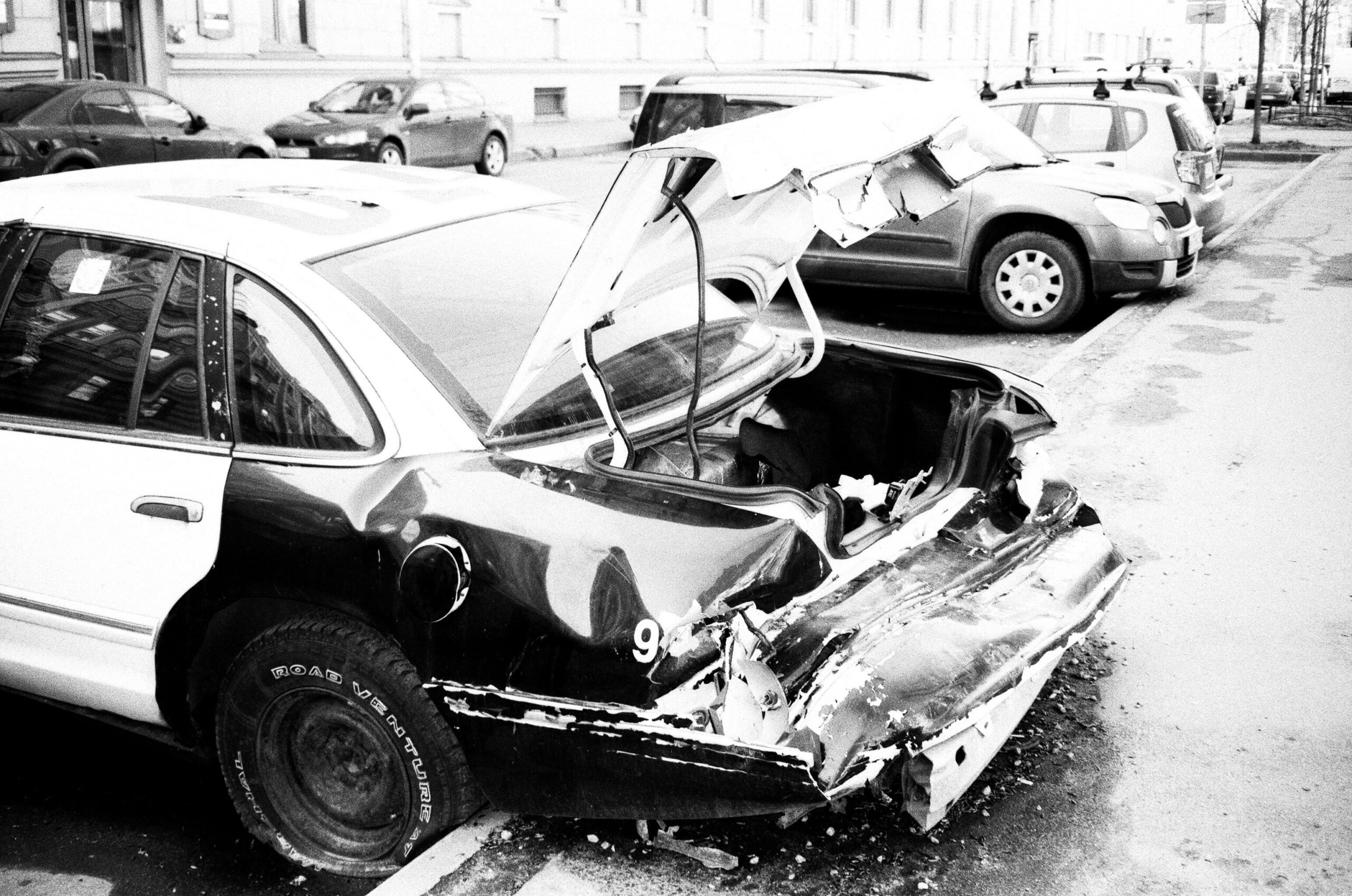
Collision-risk modeling has become an indispensable tool for safety professionals across multiple industries, from busy highways to crowded airspace and beyond.

🚀 Understanding the Foundation of Collision-Risk Modeling
Collision-risk modeling represents a sophisticated analytical framework designed to predict, assess, and mitigate potential collision scenarios before they occur. This mathematical and computational approach combines probability theory, physics, and real-world data to create predictive models that can save lives and prevent catastrophic accidents.
At its core, collision-risk modeling analyzes the likelihood of two or more objects occupying the same physical space at the same time. While this definition sounds straightforward, the practical implementation involves complex calculations accounting for speed, trajectory, environmental conditions, human factors, and countless other variables that influence movement and positioning.
The evolution of collision-risk modeling has paralleled advances in computing power and data collection capabilities. What once required simplified assumptions and manual calculations now leverages artificial intelligence, machine learning algorithms, and real-time sensor networks to deliver unprecedented accuracy and actionable insights.
📊 Core Components of Effective Collision-Risk Models
Building robust collision-risk models requires understanding several fundamental components that work together to generate reliable predictions. Each element plays a critical role in determining the overall accuracy and usefulness of the model.
Spatial and Temporal Analysis
Every collision-risk model must account for both where objects are located and when they occupy those positions. Spatial analysis examines three-dimensional positioning, while temporal analysis tracks movement over time. The intersection of these two dimensions creates the foundation for identifying potential conflict points.
Modern collision-risk models employ sophisticated coordinate systems that can track objects with remarkable precision. GPS technology, radar systems, and computer vision all contribute data streams that feed into these spatial-temporal frameworks, creating detailed movement profiles for analysis.
Probability Distribution Functions
Since perfect prediction is impossible, collision-risk models rely heavily on probability distributions to quantify uncertainty. These mathematical functions describe the range of possible positions an object might occupy, accounting for factors like navigation errors, wind effects, and operator variability.
The choice of probability distribution significantly impacts model accuracy. Gaussian distributions work well for many scenarios, but specialized situations may require beta distributions, Weibull distributions, or custom probability functions tailored to specific operational contexts.
Environmental and Operational Variables
Effective models incorporate contextual factors that influence collision risk. Weather conditions, visibility, traffic density, time of day, and infrastructure characteristics all modify baseline risk calculations. These variables transform generic models into context-aware systems that provide actionable intelligence.
✈️ Aviation Applications: Protecting the Skies
Aviation represents perhaps the most mature application domain for collision-risk modeling. The three-dimensional nature of flight, combined with high speeds and catastrophic consequences of failure, has driven decades of sophisticated model development.
Air Traffic Management Systems
Modern air traffic control relies extensively on collision-risk models to maintain safe separation between aircraft. These systems continuously calculate potential conflict points, alerting controllers when aircraft trajectories pose collision risks. The models account for aircraft performance characteristics, pilot response times, and standard separation minima established by aviation authorities.
Advanced systems now incorporate machine learning to predict pilot behavior patterns and identify anomalous situations that might escape traditional rule-based approaches. This predictive capability enables proactive interventions rather than reactive emergency maneuvers.
Runway Incursion Prevention
Ground operations at busy airports present unique collision risks as aircraft, vehicles, and personnel share limited space. Collision-risk models designed for runway environments track surface movements, identify potential conflicts, and generate alerts when vehicles or aircraft enter restricted zones without clearance.
These ground-based systems integrate with airport lighting, signage, and communication systems to create layered defense mechanisms that significantly reduce incursion incidents. Statistical validation shows substantial safety improvements at airports implementing comprehensive collision-risk modeling for ground operations.
Unmanned Aircraft Integration
The proliferation of drones and unmanned aerial vehicles has created new collision-risk challenges. Models must now account for mixed-traffic environments where conventional aircraft share airspace with smaller, more maneuverable unmanned systems operating under different regulatory frameworks.
Emerging collision-risk models for drone operations utilize geofencing, automated traffic management, and vehicle-to-vehicle communication protocols to maintain safety in increasingly crowded low-altitude airspace. These systems represent the cutting edge of distributed, autonomous collision avoidance.
🚗 Transportation Sector Applications
Ground transportation benefits enormously from collision-risk modeling, with applications spanning personal vehicles, commercial fleets, and public transit systems. The complexity of road networks and human driver variability present unique modeling challenges.
Autonomous Vehicle Navigation
Self-driving vehicles represent perhaps the most demanding application for collision-risk modeling. These systems must process sensor data from cameras, lidar, radar, and other sources to build real-time risk assessments of surrounding traffic, pedestrians, cyclists, and static obstacles.
Contemporary autonomous vehicle systems evaluate thousands of potential collision scenarios per second, assigning probability scores to each potential outcome. The vehicle’s control systems then select actions that minimize overall collision risk while accomplishing navigation objectives and maintaining passenger comfort.
Machine learning models trained on millions of miles of driving data enable these systems to recognize dangerous situations that might not be explicitly programmed. Pattern recognition identifies risky driver behaviors, unusual road conditions, and edge cases that challenge rule-based approaches.
Intersection Management Systems
Traffic intersections concentrate collision risk due to converging traffic flows and complex right-of-way rules. Smart intersection systems employ collision-risk models to optimize signal timing, provide warnings to distracted drivers, and coordinate traffic flow to minimize conflict points.
Vehicle-to-infrastructure communication enables these systems to track approaching vehicles with greater accuracy than traditional inductive loops or camera systems. The enhanced data quality improves model precision, enabling more aggressive optimization while maintaining safety margins.
Fleet Management and Commercial Operations
Commercial transportation companies increasingly deploy collision-risk models to monitor driver behavior, route optimization, and maintenance scheduling. These systems identify high-risk drivers, dangerous route segments, and vehicle conditions that increase collision likelihood.
Predictive maintenance applications use collision-risk frameworks to prioritize repairs on systems critical for accident avoidance, such as brakes, tires, and steering components. This risk-based approach to maintenance allocation optimizes safety investments while controlling costs.
🌊 Maritime and Rail Applications
While receiving less public attention than aviation and automotive applications, maritime and rail sectors employ sophisticated collision-risk models tailored to their unique operational environments.
Marine Traffic Management
Large vessels require significant time and distance to maneuver, making collision avoidance particularly challenging in congested waterways. Maritime collision-risk models account for vessel size, speed, maneuverability, weather conditions, and current patterns to predict potential conflicts.
Automated identification systems broadcasting vessel positions enable real-time collision-risk assessment across entire port regions. These systems generate alerts when vessels enter dangerous proximity based on their respective courses, speeds, and handling characteristics.
Railway Operations and Signaling
Rail systems employ collision-risk models to determine safe separation distances between trains, optimize signal placement, and manage switch operations. The constrained nature of rail movement simplifies some modeling aspects while introducing unique challenges related to braking distances and schedule coordination.
Positive train control systems represent advanced implementations of collision-risk modeling that automatically intervene when operators violate safety parameters. These systems have demonstrated measurable reductions in collision incidents and derailments.
🔬 Advanced Modeling Techniques and Emerging Technologies
The field of collision-risk modeling continues to evolve rapidly as new technologies and analytical techniques emerge. Understanding these developments helps organizations stay ahead of safety challenges.
Machine Learning Integration
Modern collision-risk models increasingly incorporate machine learning algorithms that learn from historical incident data and near-miss events. These systems identify subtle risk factors that traditional statistical approaches might overlook, continuously improving their predictive accuracy.
Deep learning networks excel at pattern recognition in complex sensor data, enabling more accurate object classification and trajectory prediction. Recurrent neural networks capture temporal dependencies in movement patterns, while convolutional networks process visual information from camera systems.
Real-Time Data Fusion
Contemporary models synthesize data from multiple sensor types and information sources to build comprehensive situational awareness. Bayesian inference techniques combine uncertain information from different sensors, weighting each source according to its reliability and relevance.
This multi-source approach provides robustness against individual sensor failures and reduces false alarm rates compared to single-source systems. The fusion algorithms continuously update risk assessments as new information becomes available, maintaining current situational understanding.
Simulation and Validation Frameworks
Developing and validating collision-risk models requires extensive simulation capabilities to test performance across diverse scenarios without real-world risk. Monte Carlo simulations generate thousands of potential scenarios, stressing models under edge cases and rare conditions.
Digital twin technology creates virtual replicas of physical systems where collision-risk models can be tested and refined before deployment. These simulation environments accelerate development cycles and enable comprehensive validation that would be impractical in physical testing.
📈 Implementation Strategies for Organizations
Successfully deploying collision-risk modeling systems requires careful planning, stakeholder engagement, and systematic implementation approaches that balance safety improvements with operational efficiency.
Data Infrastructure Development
Effective collision-risk modeling demands high-quality data collection infrastructure. Organizations must invest in sensor networks, communication systems, and data storage capabilities that support real-time analysis and historical trend identification.
Data governance frameworks ensure information quality, establish retention policies, and protect sensitive operational details. Standardized data formats facilitate system integration and enable sharing across organizational boundaries when appropriate.
Stakeholder Training and Change Management
Human operators remain critical components of most transportation systems, requiring training to understand and appropriately respond to collision-risk model outputs. Effective training programs explain model capabilities and limitations, building appropriate trust and usage patterns.
Change management processes address resistance to new systems, particularly when models challenge existing operational practices or professional judgment. Transparent communication about model logic and decision-making processes builds confidence and encourages appropriate system reliance.
Performance Monitoring and Continuous Improvement
Post-deployment monitoring tracks model performance against established metrics, identifying areas where prediction accuracy falls short of requirements. Regular audits examine false alarm rates, missed detections, and overall system reliability.
Continuous improvement processes incorporate operational experience and incident investigations to refine model parameters and algorithms. This iterative approach ensures models remain effective as operational environments evolve and new risk factors emerge.
🌐 Cross-Industry Collaboration and Standards Development
The maturation of collision-risk modeling benefits from cross-industry collaboration that shares best practices, standardizes approaches, and accelerates innovation through collective problem-solving.
International standards organizations have developed frameworks for collision-risk model validation, performance metrics, and interoperability requirements. These standards facilitate technology transfer between industries and enable independent verification of system safety claims.
Research consortia bring together academic institutions, industry partners, and regulatory agencies to advance modeling techniques and address common challenges. This collaborative approach accelerates progress beyond what individual organizations could achieve independently.
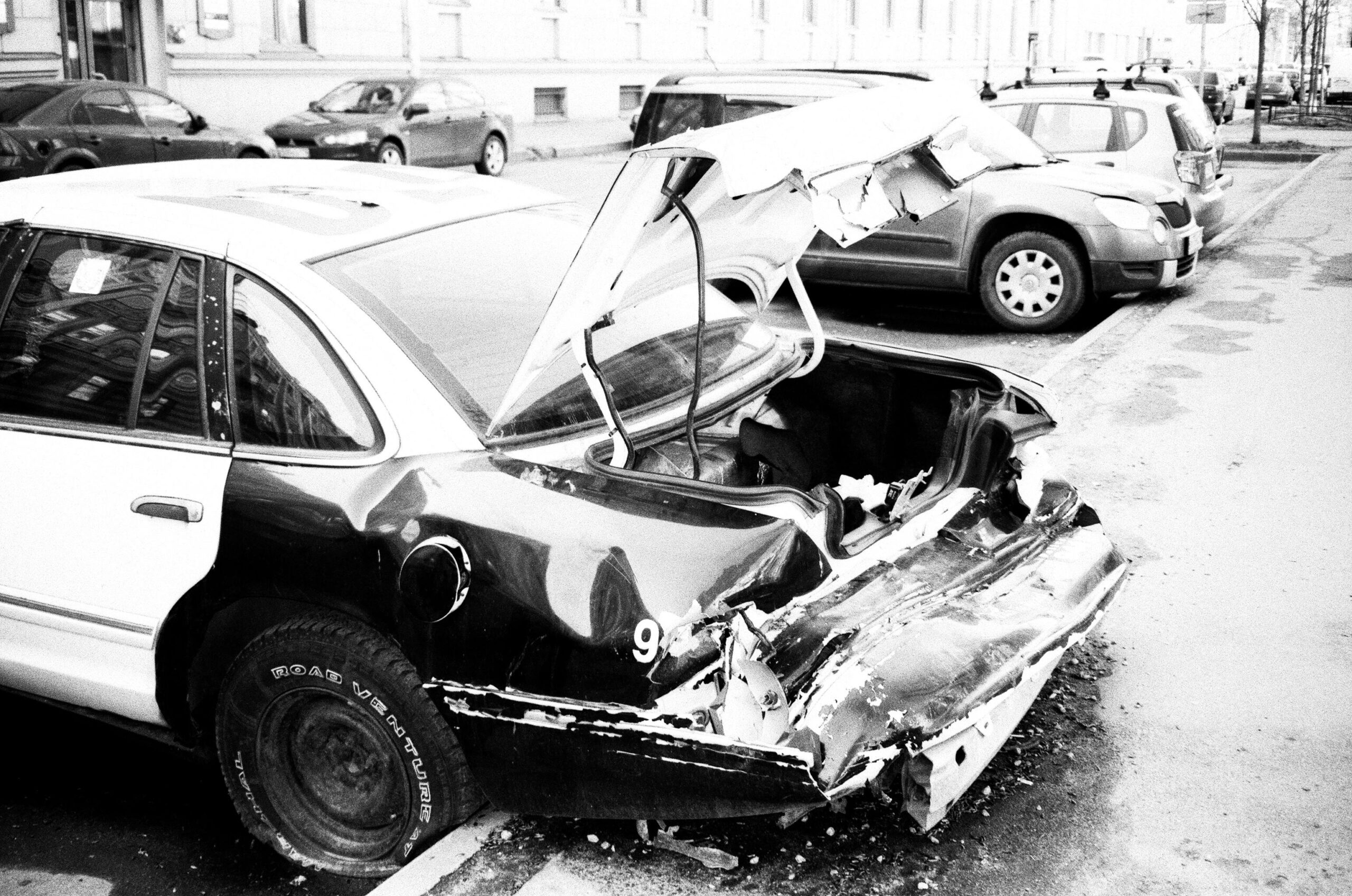
🎯 Measuring Success and Future Directions
Evaluating collision-risk modeling effectiveness requires comprehensive metrics that capture both safety improvements and operational impacts. Successful implementations demonstrate measurable reductions in collision rates, near-miss incidents, and severity of accidents that do occur.
Economic analyses quantify return on investment through reduced accident costs, lower insurance premiums, and improved operational efficiency. These business cases support continued investment in modeling capabilities and technology upgrades.
Looking forward, collision-risk modeling will increasingly leverage quantum computing for complex scenario analysis, incorporate biological sensing for health monitoring of human operators, and extend into emerging domains like urban air mobility and space traffic management.
The integration of collision-risk models with broader artificial intelligence systems will enable more holistic safety management approaches that address not just collision avoidance but comprehensive risk optimization across multiple safety domains simultaneously.
As transportation systems become more automated, interconnected, and complex, the role of sophisticated collision-risk modeling will only grow in importance. Organizations that master these techniques position themselves at the forefront of safety innovation, protecting lives while enabling the efficient movement of people and goods that modern society demands.