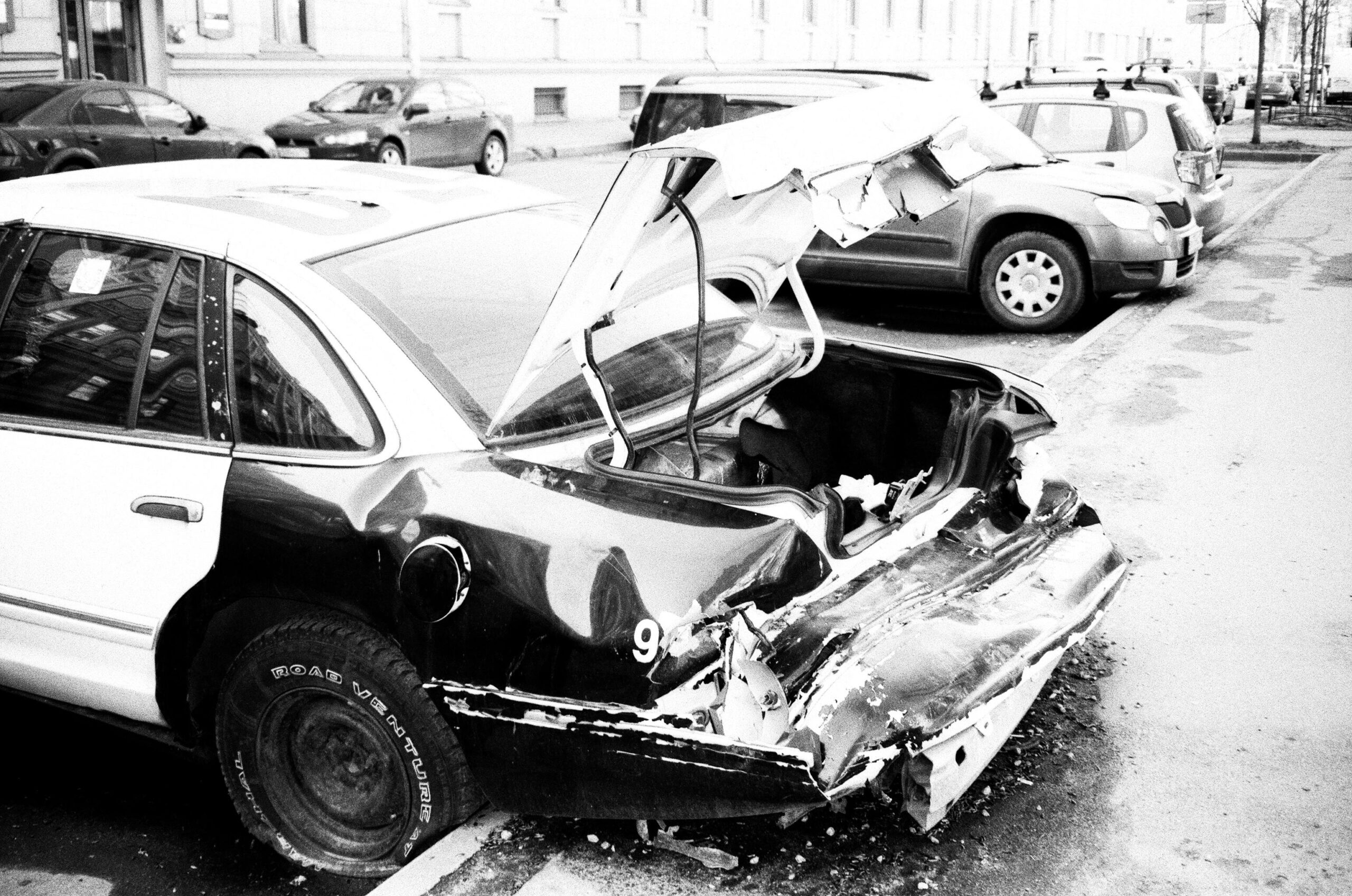
Dynamic systems are everywhere—from traffic networks to robotics, aerospace to manufacturing. Understanding collision risk in these environments is critical for safety and efficiency.

🚀 Why Collision Risk Matters in Modern Dynamic Systems
In an increasingly automated world, dynamic systems operate at unprecedented speeds and complexity. Whether we’re discussing autonomous vehicles navigating busy city streets, drones delivering packages, or robotic arms working alongside humans in factories, the potential for collisions poses serious risks. These risks can result in property damage, production downtime, injury, or even loss of life.
The challenge lies in the inherent unpredictability of dynamic environments. Unlike static systems where variables remain constant, dynamic systems involve continuous changes in position, velocity, direction, and environmental conditions. This complexity demands sophisticated approaches to identify, analyze, and mitigate collision risks effectively.
Recent advances in sensor technology, computational power, and artificial intelligence have opened new frontiers in understanding these risks. Yet, despite technological progress, the fundamental question remains: what are the key variables that truly drive collision risk in dynamic systems?
🔍 The Core Variables That Define Collision Probability
Research across multiple disciplines has identified several critical variables that consistently influence collision risk. Understanding these factors provides the foundation for developing effective prevention strategies.
Relative Velocity: The Speed Factor
Relative velocity stands as perhaps the most intuitive yet critical variable in collision risk assessment. It’s not just about how fast individual objects move, but rather how quickly they approach each other. Two vehicles traveling at 60 mph in the same direction pose less immediate risk than two vehicles approaching each other at 30 mph each.
The kinetic energy involved in potential collisions increases exponentially with velocity. This mathematical reality underlies speed limits, safe following distances, and reaction time calculations. In dynamic systems, monitoring relative velocity provides early warning signals that enable preventive actions before critical thresholds are crossed.
Advanced collision avoidance systems continuously calculate relative velocities between objects in the environment. When these velocities exceed predetermined safe values given the current separation distance, the system triggers warnings or automated corrective actions.
Spatial Separation and Proximity Thresholds
Distance between objects represents another fundamental variable. However, it’s not merely about absolute distance but rather the relationship between distance and other dynamic factors. A separation of ten meters might be perfectly safe for two stationary objects but dangerously inadequate for objects approaching each other at high speed.
The concept of “time to collision” (TTC) emerges from combining spatial separation with relative velocity. TTC provides a more meaningful metric than distance alone, representing how much time remains before a collision occurs if current trajectories and velocities are maintained.
Dynamic systems typically employ multiple proximity thresholds—warning zones that trigger different levels of response as objects enter progressively closer spatial relationships. These zones account for system reaction times, braking distances, and maneuvering capabilities.
Trajectory Prediction and Path Intersection
Knowing where objects are currently located provides only partial information. Predicting where they’ll be in the future is essential for proactive collision avoidance. Trajectory prediction involves analyzing current velocity, acceleration, heading, and historical movement patterns to forecast future positions.
The accuracy of trajectory prediction directly impacts collision risk assessment. Sophisticated algorithms incorporate multiple data points, considering not just linear motion but also turning rates, elevation changes, and likely behavioral patterns based on object classification.
Path intersection analysis determines whether forecasted trajectories will cross. Even if two objects maintain safe separation currently, their projected paths may converge at a future point in space and time. Identifying these intersections early enables systems to modify trajectories before risks escalate.
⚙️ Environmental and Contextual Factors That Amplify Risk
Beyond the intrinsic variables of moving objects themselves, environmental and contextual factors significantly influence collision probability.
Sensor Reliability and Detection Capabilities
A dynamic system can only respond to threats it can detect. Sensor performance directly impacts collision risk through several mechanisms. Range limitations determine how far ahead the system can see potential hazards. Resolution affects the ability to distinguish between objects and accurately determine their positions.
Environmental conditions such as fog, rain, dust, or lighting variations degrade sensor performance. A collision avoidance system that works flawlessly in clear conditions may become unreliable when sensors are compromised. Understanding these limitations is crucial for realistic risk assessment.
Redundancy in sensing—employing multiple sensor types such as cameras, radar, lidar, and ultrasonic sensors—provides resilience against individual sensor failures or environmental conditions that affect specific technologies differently.
System Responsiveness and Control Authority
The time delay between threat detection and corrective action implementation represents a critical vulnerability window. This delay encompasses sensor processing time, computational analysis, decision-making, and physical system response.
In high-speed dynamic systems, even milliseconds matter. A system that requires two seconds from detection to response faces fundamentally different risk profiles than one that responds in 200 milliseconds. This responsiveness directly determines minimum safe distances and operation parameters.
Control authority—the system’s ability to execute evasive maneuvers—also impacts risk. A nimble drone can make sharp turns that would be impossible for a large cargo ship. System designers must match operational speeds to maneuvering capabilities, ensuring sufficient control authority to avoid detected threats.
Density and Complexity of the Operating Environment
The number of objects sharing the same space exponentially increases collision complexity. With two objects, there’s one potential collision scenario to monitor. With three objects, there are three potential collision pairs. Ten objects create 45 possible collision combinations.
Urban environments, crowded airspace, and busy manufacturing floors present dense operational contexts where managing multiple simultaneous collision risks becomes computationally intensive. Prioritization algorithms must determine which threats require immediate attention versus those that can be monitored with lower priority.
Environmental complexity extends beyond object density to include static obstacles, temporary obstructions, and dynamic features like weather conditions or lighting changes that affect system performance.
🧠 Human Factors in Hybrid Dynamic Systems
Many dynamic systems involve human operators or interaction with human-populated environments. Human behavior introduces unique variables that significantly influence collision risk.
Predictability Versus Unpredictability
Automated systems excel at following predetermined rules and patterns. Human behavior, by contrast, involves creativity, emotion, distraction, and error. A pedestrian might suddenly step into traffic. A driver might make an unexpected lane change without signaling. These unpredictable actions challenge collision avoidance systems designed around rational, rule-following actors.
Advanced systems employ behavioral prediction algorithms that learn common human patterns while maintaining defensive assumptions. Rather than assuming humans will act optimally, these systems prepare for likely mistakes or unpredictable actions.
Attention and Situational Awareness
In semi-automated systems where humans retain supervisory control, operator attention becomes a critical variable. Human attention has limitations—it can be divided, distracted, or degraded by fatigue. Collision risks increase when operators fail to maintain adequate situational awareness.
Modern systems address this through attention monitoring, alerting operators to potential threats, and implementing automation that assumes control when human response is inadequate or absent. The interaction between human and automated components creates unique risk profiles that differ from either fully manual or fully automated systems.
📊 Mathematical Models for Quantifying Collision Risk
Translating qualitative understanding of risk variables into quantitative models enables systematic assessment and comparison of different scenarios and mitigation strategies.
Probabilistic Risk Assessment Frameworks
Rather than treating collision as a binary outcome—will happen or won’t happen—probabilistic models assign likelihood values based on current conditions and variable states. These models incorporate uncertainty inherent in measurements, predictions, and environmental conditions.
Bayesian approaches update collision probabilities continuously as new information becomes available. Initial risk assessments based on limited information become progressively refined as objects approach and more data accumulates.
Monte Carlo simulations run thousands of trajectory scenarios with varying inputs to understand the distribution of possible outcomes. This approach reveals not just the most likely scenario but also the range of possibilities and their relative probabilities.
Time-Based Risk Metrics
Time to collision (TTC) provides an intuitive metric that translates complex spatial and velocity relationships into a single understandable value. When TTC drops below critical thresholds, systems escalate response levels from monitoring to warning to active intervention.
Time to closest point of approach (TCPA) offers another valuable metric, identifying when objects will reach minimum separation even if their paths don’t directly intersect. This helps assess near-miss scenarios that, while not resulting in actual collision, may create dangerous conditions.
Required time to respond (RTR) compares available reaction time against the time actually needed to implement effective evasive action. When RTR exceeds available time, collision becomes unavoidable without external intervention or dramatic changes in object trajectories.
🛡️ Mitigation Strategies Based on Key Variables
Understanding collision risk variables enables targeted mitigation strategies that address specific weaknesses or vulnerabilities.
Speed Regulation and Adaptive Control
Since velocity represents such a critical variable, many mitigation strategies focus on speed management. Adaptive cruise control systems automatically adjust vehicle speed to maintain safe following distances. Geofencing restricts maximum speeds in high-risk areas like school zones or crowded warehouses.
Dynamic speed limits respond to current conditions—reducing permitted speeds during adverse weather, high traffic density, or poor visibility. This adaptive approach recognizes that safe speed isn’t a fixed value but depends on multiple contextual factors.
Enhanced Sensing and Predictive Capabilities
Improving detection range, accuracy, and reliability directly reduces collision risk by providing more time and better information for decision-making. Investments in next-generation sensors, sensor fusion algorithms, and predictive AI models pay dividends in risk reduction.
Cooperative sensing, where multiple systems share detection information, extends effective sensor range beyond individual capabilities. Vehicle-to-vehicle communication enables cars to “see” around corners by receiving information from other vehicles’ sensors.
Separation Standards and Traffic Management
Air traffic control maintains vertical and horizontal separation standards that provide safety margins accounting for navigation uncertainties and emergency maneuvers. Similar principles apply in other dynamic systems—establishing minimum separations that account for worst-case scenarios.
Traffic management systems coordinate object movements to minimize conflict points and maintain safe separations. This might involve designated lanes, altitude assignments, scheduled time slots, or dynamic routing that adapts to current congestion patterns.
🌟 Emerging Technologies Transforming Risk Management
Technological advances continue to improve our ability to assess and mitigate collision risks in dynamic systems.
Artificial Intelligence and Machine Learning
AI systems excel at pattern recognition and prediction in complex, high-dimensional environments. Machine learning models trained on vast datasets can predict object behavior with accuracy that exceeds traditional rule-based systems.
Deep learning approaches process raw sensor data directly, learning relevant features automatically rather than requiring human engineers to specify what matters. This enables systems to detect subtle warning signs that might escape explicit programming.
Reinforcement learning allows systems to discover optimal collision avoidance strategies through simulated experience, potentially finding solutions that human designers might not conceive.
Digital Twin Simulation and Testing
Digital twins—virtual replicas of physical systems—enable risk assessment and strategy testing without real-world consequences. Engineers can simulate thousands of scenarios, varying key variables to understand their impacts on collision probability.
These simulations identify edge cases and failure modes that might not be apparent through analysis alone. Testing mitigation strategies virtually before deployment reduces implementation risk and accelerates the development cycle.
Quantum Sensing and Advanced Detection
Emerging quantum sensor technologies promise dramatic improvements in detection accuracy, range, and environmental robustness. These capabilities will enable earlier threat detection and more accurate trajectory prediction, expanding safety margins in dynamic systems.
Advanced signal processing techniques extract meaningful information from noisy sensor data, improving detection reliability in challenging conditions that currently degrade system performance.
💡 Integrating Risk Awareness into System Design
The most effective approach to collision risk management begins during system design rather than as an afterthought once systems are operational.
Safety-First Architecture Principles
Systems designed with collision avoidance as a core requirement rather than an added feature demonstrate superior safety profiles. This involves redundant systems, fail-safe defaults, and graceful degradation when components fail.
Layered defense strategies implement multiple independent safety mechanisms. If one layer fails to prevent a collision, subsequent layers provide backup protection. This defense-in-depth approach recognizes that no single solution is perfect.
Continuous Monitoring and Adaptation
Risk profiles change over time as systems age, environments evolve, and operational patterns shift. Continuous monitoring tracks key risk variables, identifying trends that might indicate increasing vulnerability.
Adaptive systems modify their behavior based on observed performance and changing conditions. If collision near-misses increase, the system might automatically implement more conservative separation standards or reduced speed limits until conditions improve.
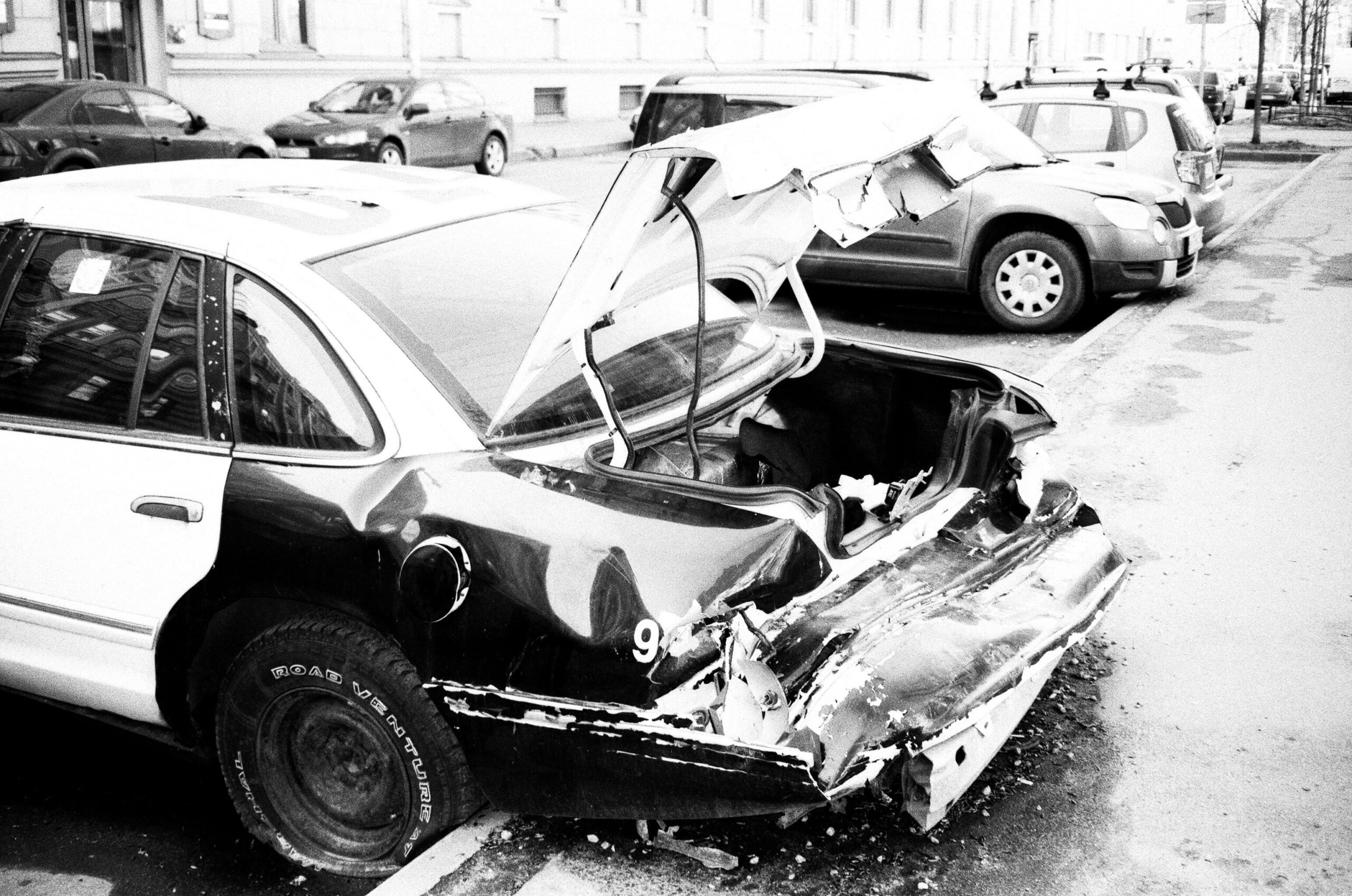
🎯 Moving Forward: A Holistic Approach to Dynamic System Safety
Understanding the driving forces behind collision risk in dynamic systems requires recognizing the interplay between multiple variables rather than focusing on single factors in isolation. Relative velocity, spatial separation, trajectory prediction, sensor capabilities, system responsiveness, environmental complexity, and human factors all contribute to overall risk profiles.
Effective collision avoidance doesn’t result from optimizing any single variable but rather from balancing multiple considerations within operational constraints. The fastest sensor provides little benefit if the system cannot respond quickly enough to act on that information. Perfect trajectory prediction means little if sensor range is too limited to provide adequate warning time.
As dynamic systems become more prevalent in transportation, manufacturing, logistics, and other domains, the importance of sophisticated collision risk management grows correspondingly. The key variables revealed through research and operational experience provide the foundation for next-generation safety systems that will enable more ambitious and beneficial applications of autonomous and semi-autonomous technologies.
The journey toward zero-collision dynamic systems continues, driven by deeper understanding of risk factors, advancing technology, and commitment to safety-first design principles. By focusing on the variables that truly matter and implementing comprehensive mitigation strategies, we move closer to realizing the full potential of dynamic systems while protecting people, property, and operations from collision risks.